
Project Alambana
School and meals for children of waste-picker families.
How it works
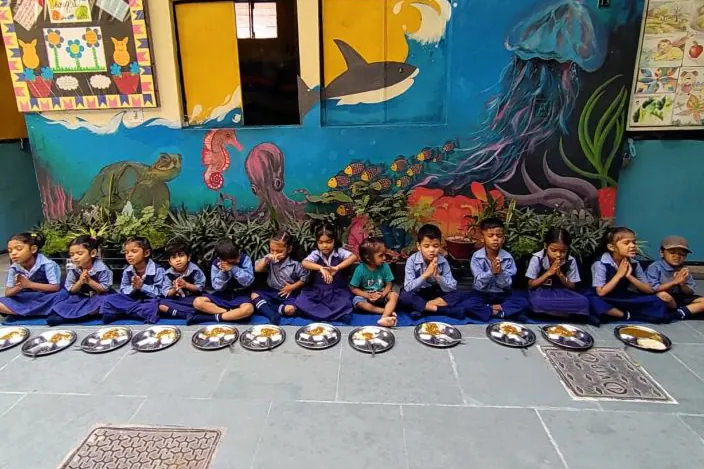
Project Alambana brings children of waste-picker and labourer families to SWAD School, girls first. Every child gets free school, books, a uniform and meals.
- Free school, books and uniforms
- Daily meals
- Priority for girls
“Every child gets free school, books, a uniform and meals.”
What the programme is
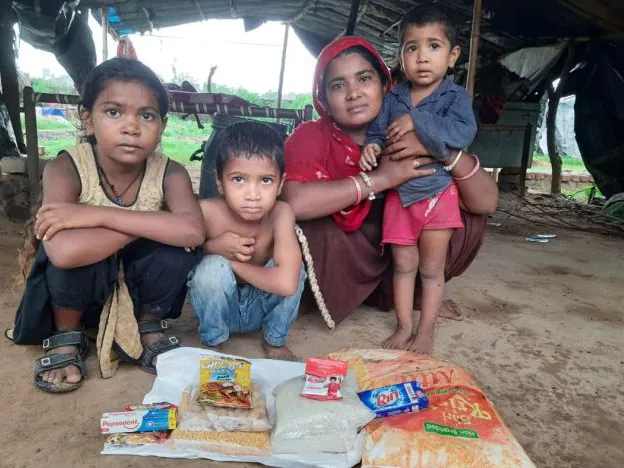
Project Alambana began with families who collect waste for a living. DIR staff visited the shacks of these families, spoke with the mothers and asked them to send their children, especially girls, to SWAD School. Because these families needed more support, DIR added a monthly grocery ration, on condition that the children came to school every day.
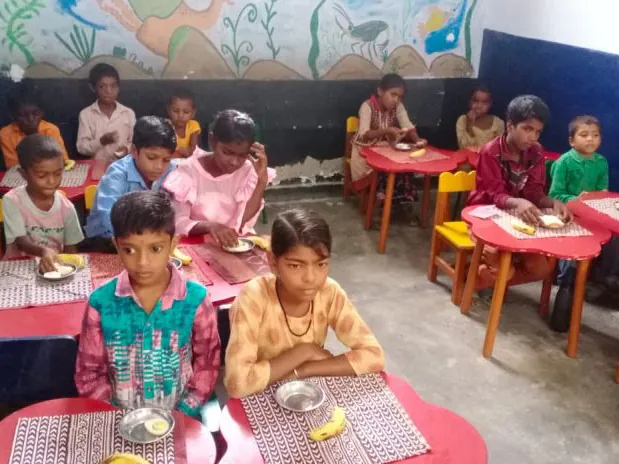
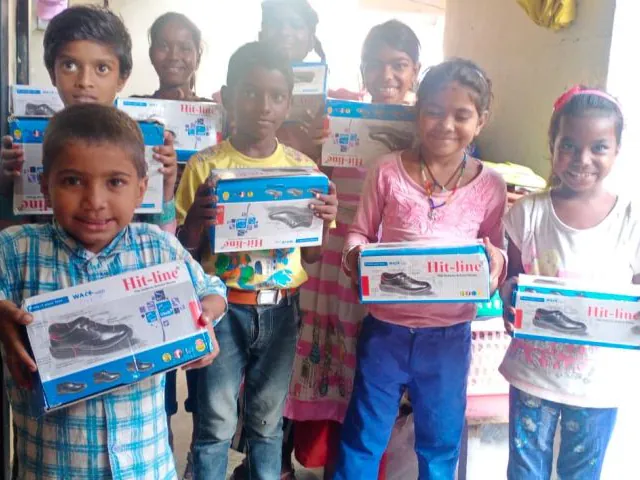
Today the project gives a full day of care to children from families in financial need, preferably girls. They learn at SWAD School with trained teachers, books, stationery and a school uniform including shoes, socks and woollens; they receive daily health and hygiene care; and they eat NIPP breakfast and lunch every school day. The children come from the families of waste pickers, labourers and domestic workers, and they have their own class at SWAD with its own teacher.
Why it matters
Children of waste-picker families are often not in school at all, because their parents cannot pay. The families live in rented shelters. A free place, daily meals and a uniform remove the cost that keeps children at home. The grocery ration gave families a reason to send them every day.
“A free place, daily meals and a uniform remove the cost that keeps children at home.”
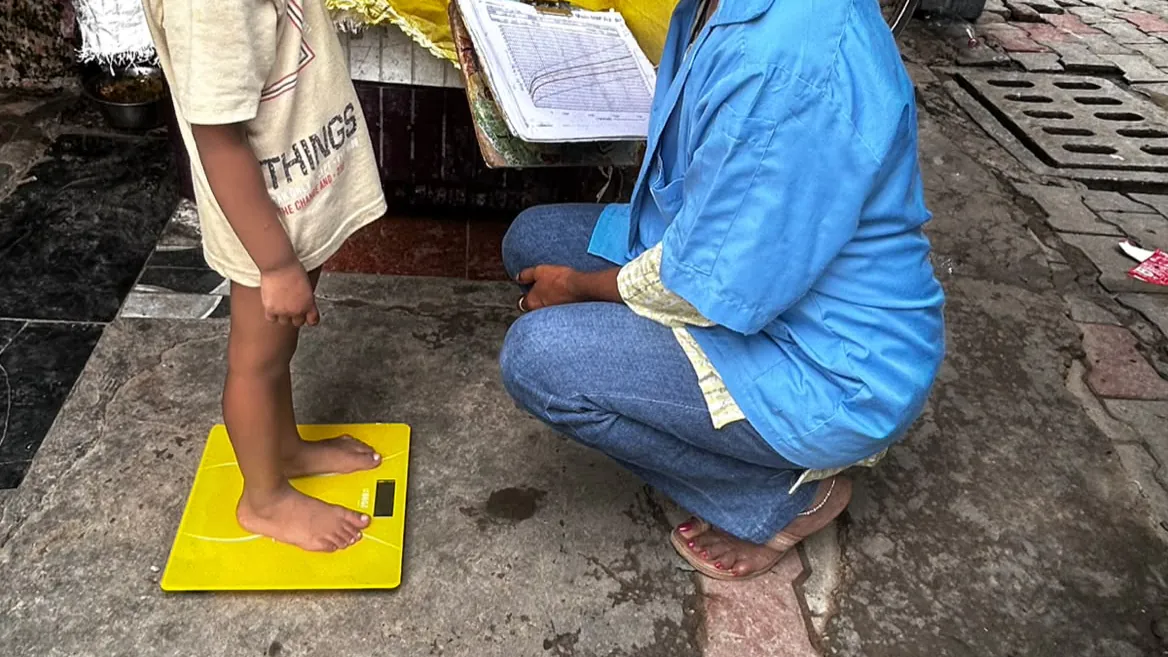
The meals matter as much as the lessons, and so does health. Without clean water or sanitation at home, skin infections such as scabies are common among the children and hold back both their health and their schooling. When the children arrive at the DIR office, they have a bath, a coconut-oil massage and, where needed, treatment such as a lotion for scabies. Each month the school records every Alambana child’s attendance and, for children under five, the weight zone.
Month by month
Alambana children follow the SWAD school day and school year. Their attendance and weight are counted every month. Like the rest of the school, the class pauses in June.
- Each school dayClass at SWAD with the Alambana teacher, and NIPP breakfast and lunch at the DIR office.
- Each monthAttendance count and, for children under five, the green, yellow or red zone.
- Each monthSWAD awards, with prizes for the Alambana class.
- JuneSummer break: the class is closed, and many children go to the village with their families.
- MarchFinal exams and results with the rest of SWAD School.
How the work is organised
A class of its own
The Alambana class is part of SWAD School but has its own teacher. Its children follow the school routine: morning assembly, the Monday hygiene check and the monthly awards, where the Alambana class has its own prizes. Children older than five and younger children learn in the same class.
Meals and health
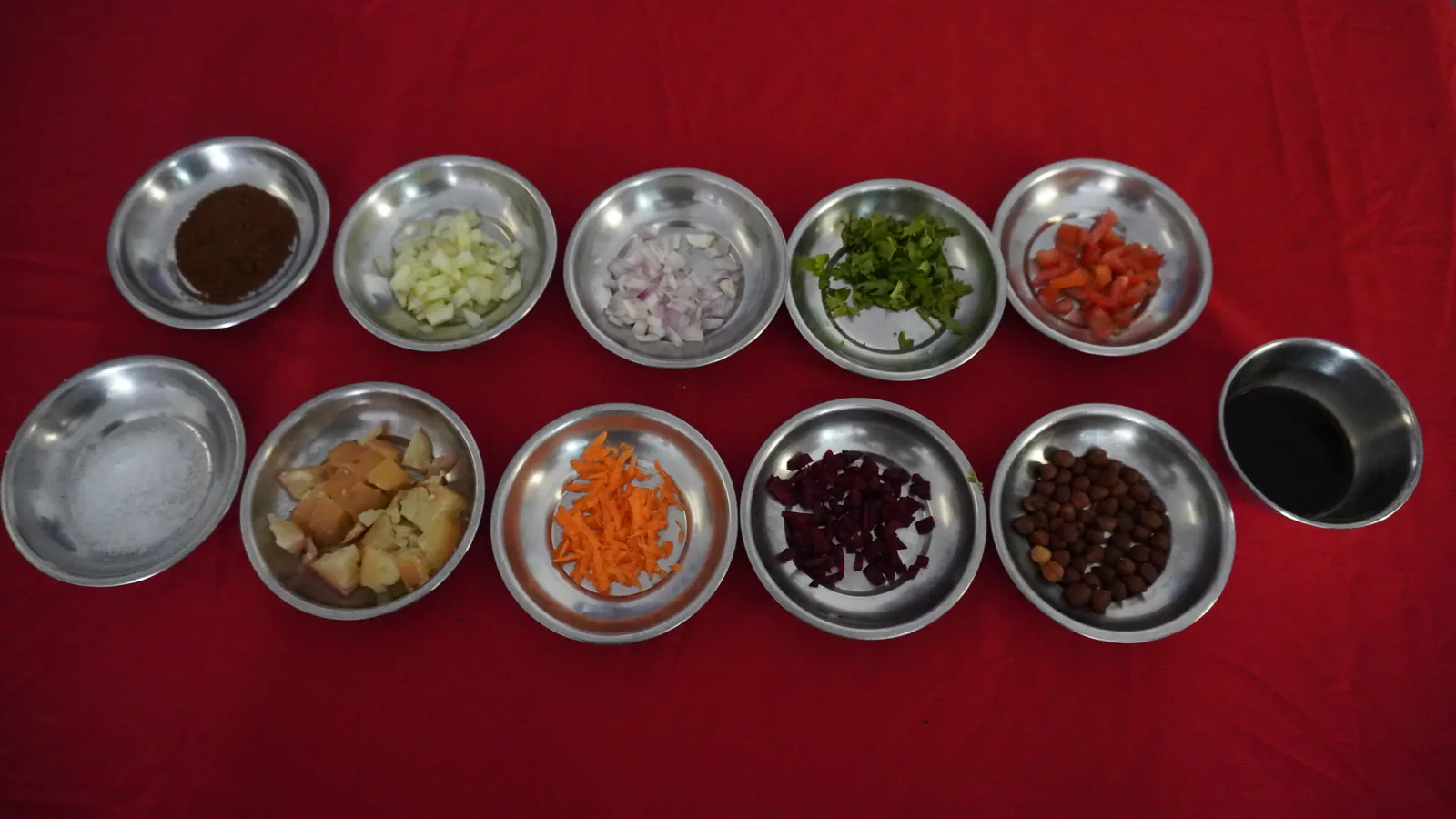
Every Alambana child eats NIPP breakfast and lunch at the DIR office, and receives a hygiene kit with a towel, a toothbrush and lotions. Children under five are weighed each month and placed in the green, yellow or red zone, like every child in the colonies. The school records their zones next to their attendance.
Sponsorship
Sponsoring an Alambana child is a NIPP sponsorship: the gift pays for the child’s NIPP breakfast and lunch at the DIR office, by the month or by the year, and the sponsor receives a monthly report on the child’s health and growth chart. Local donors have sponsored individual Alambana children in this way.
What DIR provides
DIR gives the project its classroom and office space, its kitchen, its utilities and the medical services of volunteers. That way a gift goes to the children’s education, meals and care.
Working with the mothers
The project began with conversations, not forms. DIR staff went to the shacks, spoke with the mothers and encouraged them to send their children to school. The grocery ration that followed tied the family’s support to the child’s attendance, so that sending a daughter to school every day also helped the household. The groceries are still given each month only when the children attend regularly, which also keeps them away from child labour. When attendance slips, teachers counsel the parents, as they do for every SWAD child.
What it has achieved
Attendance is the project’s clearest measure, and it is counted every month, so the school sees quickly when a child stops coming. It dips when families travel and when the class closes for the summer, and recovers when they return. In the early years the teachers called the Alambana children the most obedient, dedicated and punctual students in the school. The project aims for each child to be ready for a mainstream school, to eat well every day and to suffer fewer skin diseases, and for each family to be steady enough to put the children’s schooling first. Monthly attendance and weight zones follow below.
In numbers
For the year 2026–27
- 25children the project is designed to support every day
- ₹1,250a month pays for the NIPP meals of one person: an Alambana child, an underweight child, or a pregnant woman or new mother
- ₹15,000a year pays for the NIPP meals of one person
August 2026
- 23children at Alambana classes
- 6Alambana children under 5 in the green zone
- 7Alambana children under 5 in the yellow zone
- 1Alambana child under 5 in the red zone
May 2026
- 20Alambana children sponsored
History
- 2022start of Project Alambana (February)
- 15shacks of waste-picker families visited at the start, in 2022
| Month | Children attending | Older than 5 | Under 5 |
|---|---|---|---|
| May 2026 | 19 | 8 | 11 |
| June 2026 | 0 (closed) | – | – |
| July 2026 | 20 | 9 | 11 |
| August 2026 | 23 | 9 | 14 |
Attendance is the number of children who came in the month, not the number enrolled. No counts of Alambana children are published for the earlier years, so the table starts in May 2026.
What is hard
Poverty pulls children away from school. The families live in rented shelters, and some children go to the village with their parents for weeks at a time. In the first year of the project the children went without uniforms for months, until uniforms and shoes arrived.
Links to government services
No government scheme is linked to Project Alambana directly. The project prepares children for the public school system: as with every SWAD child, the aim is that they move on to government or private schools. Their health care runs through the Health Promoters, whose work links families to government hospitals and immunisation.
Watch
Uncultured is a short documentary that DIR made about Project Alambana. It shows how the project began with the mothers of waste-picker families, and the children at SWAD School. The people in it are families of the colony, filmed as they live.
-
The video loads from youtube-nocookie.com only after you press play.
Uncultured: Project Alambana and SWAD School
A short documentary on Project Alambana, which began in February 2022 with families who collect waste for a living. DIR India met the mothers in their shacks and asked them to send their children, especially girls, to SWAD School. The families receive a monthly grocery ration while the children come to school every day.
Shows children of waste-picker families and the shacks they live in.
Watch on YouTube: Uncultured: Project Alambana and SWAD School
How you can help
You can sponsor the NIPP meals of an Alambana child; the price per month and per year is under In numbers above, and it is the same NIPP sponsorship that the Nutrition and Donate pages describe. Local donors also give books, stationery, school bags and woollens. Volunteers are welcome in the SWAD classrooms for storytelling and games.
A gift by UPI or bank transfer supports the Alambana class, its teacher and the children’s uniforms together with the rest of SWAD School. Companies can also fund the class through CSR.
Programme updates
Children at lunch
A family’s monthly grocery ration
New school shoes
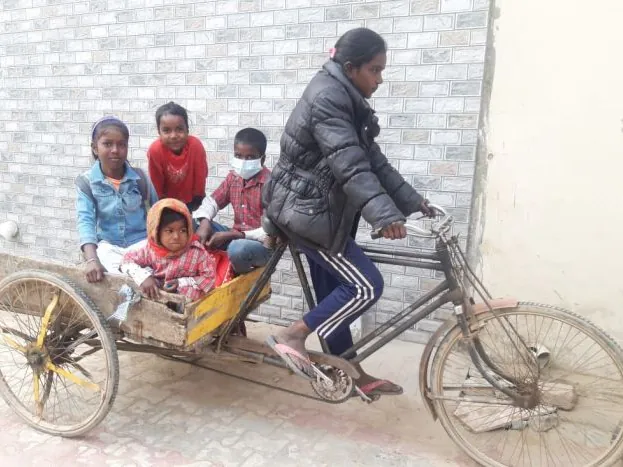
Children on a cycle cart
Donate
UPI or bank transfer, for donors in India.
DonateVolunteer
Students and professionals join our team.
Join the teamContact
Visit us in Nayagaon, Monday to Friday.
Get in touch