
Nutrition programme
Weekday meals for underweight children and mothers, at the DIR office.
How it works
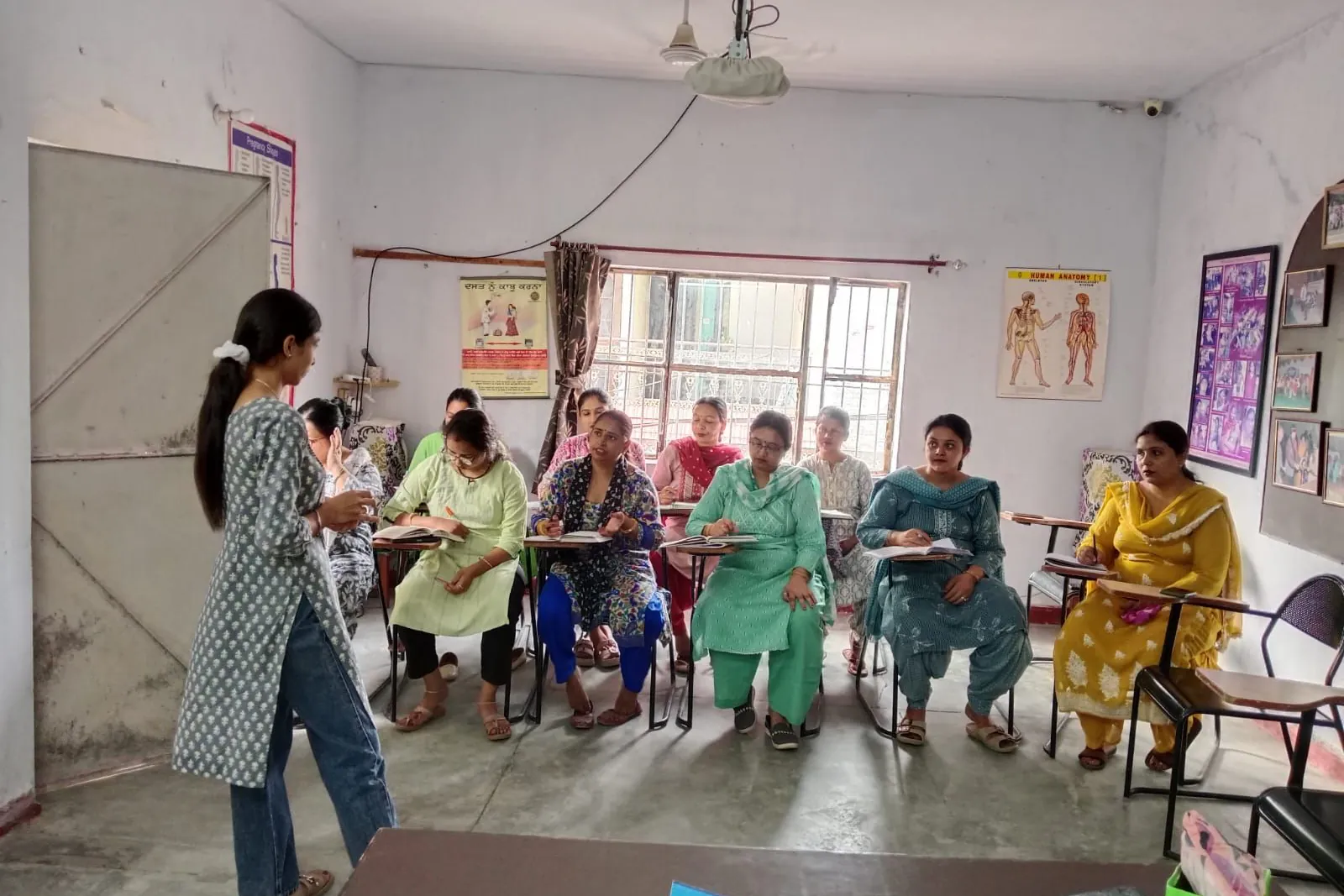
The Nutrition Improvement Priority Program (NIPP) feeds children more than three kilograms below normal weight, and underweight pregnant women. They eat breakfast and lunch at the DIR office each weekday. Each month, the dietitians show Health Promoters a low-cost recipe. The Health Promoters then teach each recipe to the mothers of their own zones.
- Weekday breakfast and high-protein lunch at the DIR office
- A low-cost recipe class for Health Promoters each month
- Health Promoters teach the recipe to mothers
“The Health Promoters then teach each recipe to the mothers of their own zones.”
What the programme is
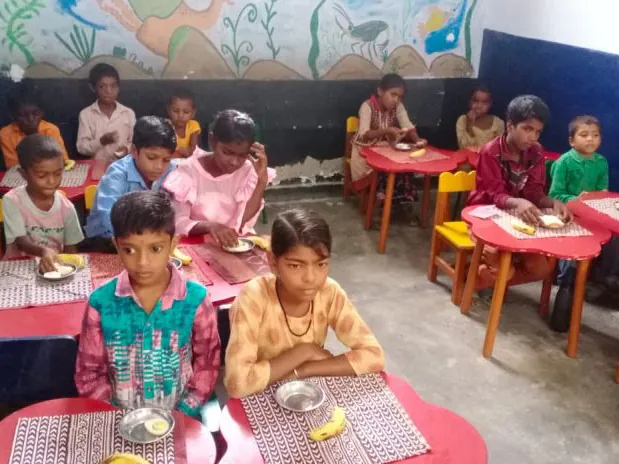
The Nutrition Improvement Priority Program (NIPP) feeds children who are severely underweight, more than three kilograms below normal weight, and underweight pregnant women. Breastfeeding mothers, women in need and the children of Project Alambana also eat with the programme. Each weekday they come to the DIR office for a breakfast of toast, boiled eggs and bananas, and for a cooked lunch that staff serve and supervise.
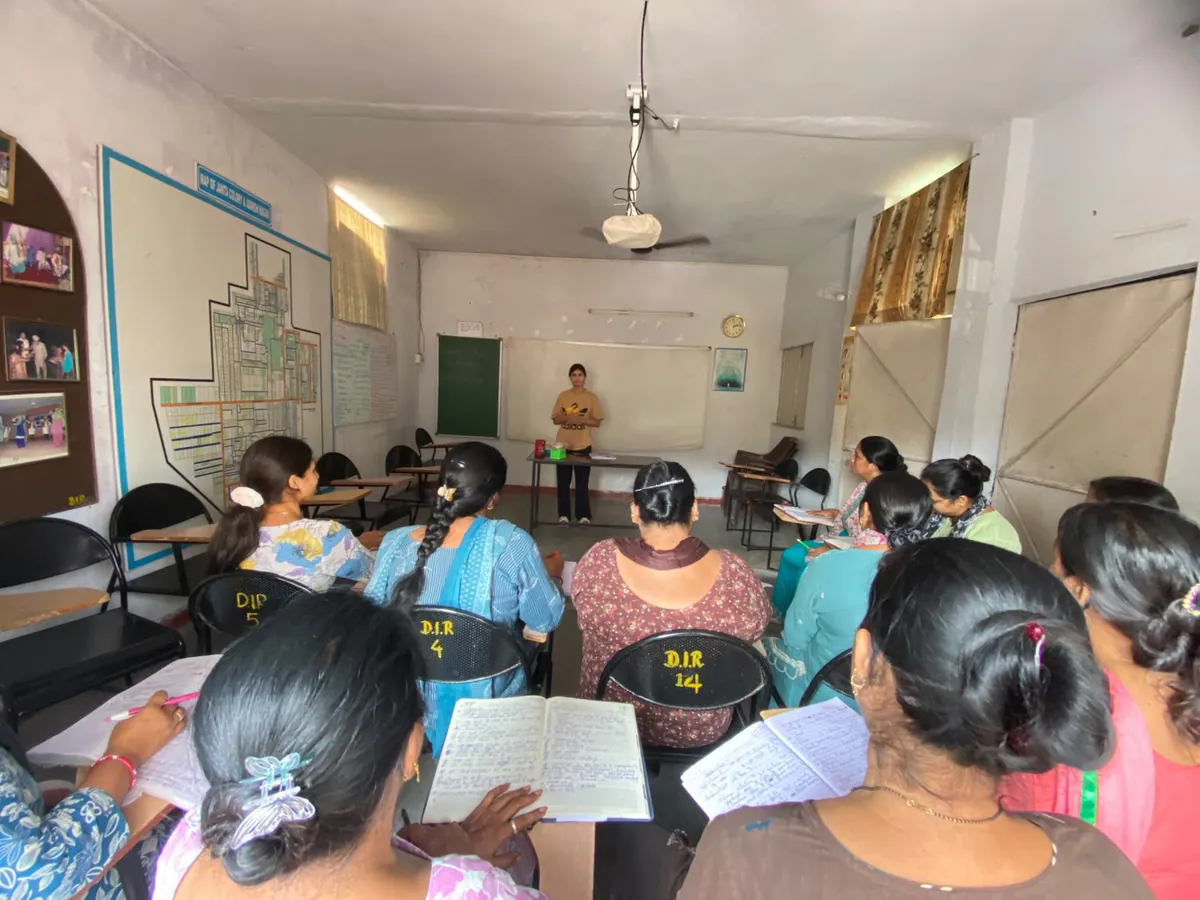
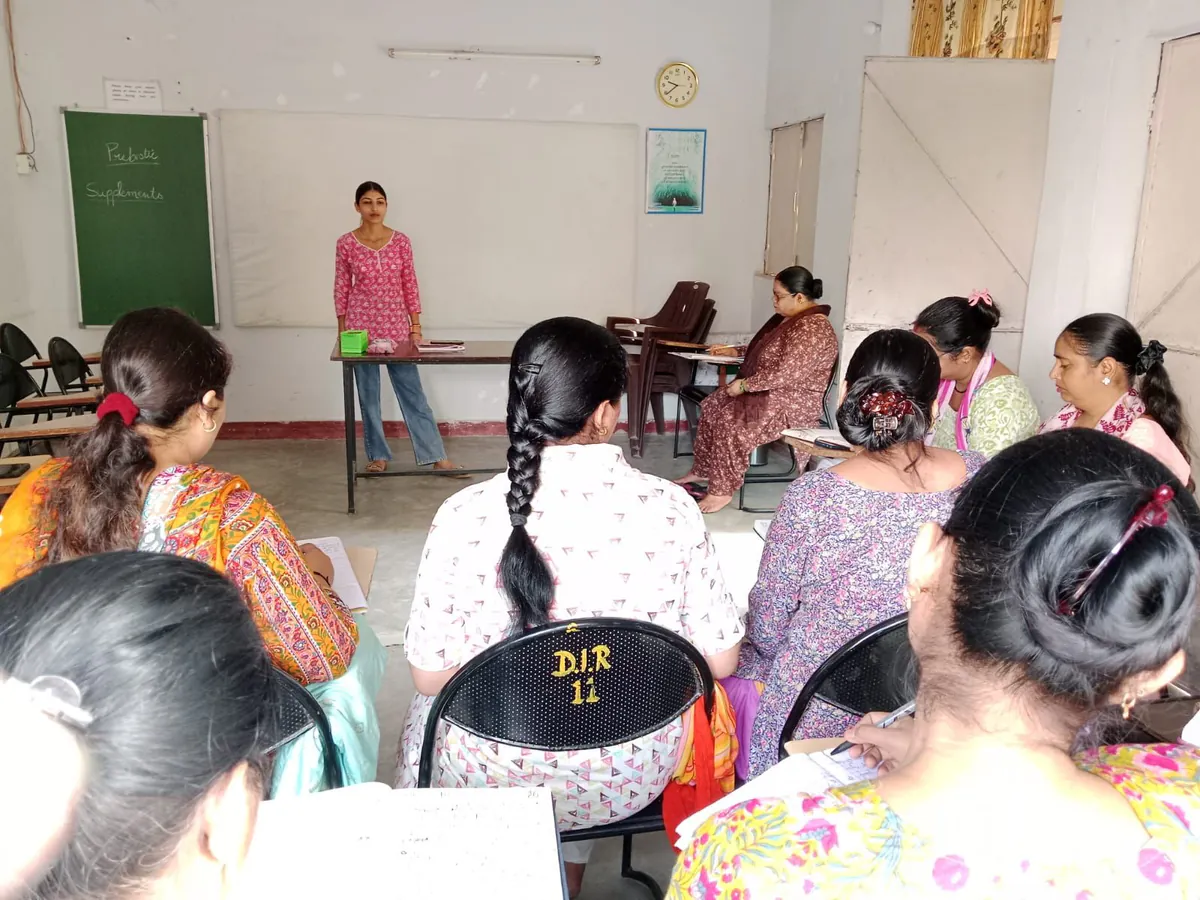
NIPP is one half of the nutrition work. The other half happens in families’ own kitchens. On the third Tuesday of each month the dietitians show Health Promoters and mothers a low-cost recipe made from food sold in the colony. The Health Promoters then teach it to the mothers of their zones. At SWAD School the nutritionist also checks the children’s tiffins every day.
Why it matters
Growth monitoring finds the children who are falling behind; NIPP gives them food whose effect the family can see. Parents notice the change on their children’s weight charts and recognise the link between the meals and healthier growth. A sponsorship also pays for consultations with the family, so each meal is a chance to talk with the mother.
Meals alone cannot change what a family cooks at home. That is why the recipe class matters. The dietitians keep each recipe cheap enough that any mother can cook the dish again. The healthy tiffin prize at SWAD works the same way: mothers who pack nutritious home-cooked food are rewarded at the parent-teacher meeting, and the practice has improved the children’s health.
“Meals alone cannot change what a family cooks at home.”
Month by month
NIPP follows the working week, and the recipe class follows the month. Both depend on the Health Promoters’ weighing, which tells the dietitians who needs a place at the table. The year has one long pause, in June.
- Monday to FridayBreakfast and a cooked lunch at the DIR office, served and supervised by staff.
- Each school dayThe nutritionist checks the tiffins of SWAD children.
- Each weekNutrition classes for the Health Promoters by the dietitians.
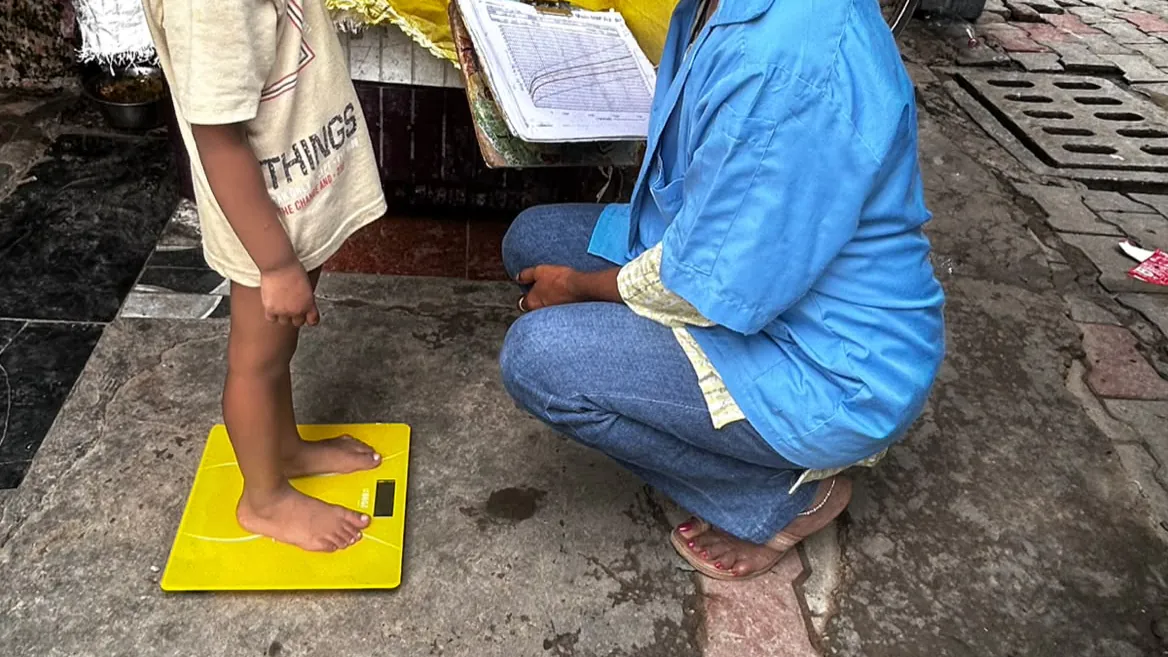
- Each monthHealth Promoters weigh every child under five; red-zone children are invited to NIPP. Each sponsor receives a report on health status and the growth chart.
- Third Tuesday of the monthRecipe demonstration for Health Promoters and mothers.
- JuneMany families are in their villages; NIPP attendance falls sharply and the recipe class may pause.
How the work is organised
Who comes to NIPP
The Health Promoters’ monthly weighing decides who is invited. Red-zone children from the colonies come first. Pregnant women, breastfeeding mothers and women in need are enrolled too, and the children of Project Alambana eat breakfast and lunch every school day. A dietitian manages NIPP and the feeding.
The menu
The dietitians plan the menu. It includes milk, boiled eggs, rajma, bananas, rice, lentils and raita, with desserts such as rice porridge, custard and cracked wheat porridge. The menu adapts to the donations received, including groceries that local donors give; a university teacher, for one, has given groceries for NIPP every month.
Recipe classes
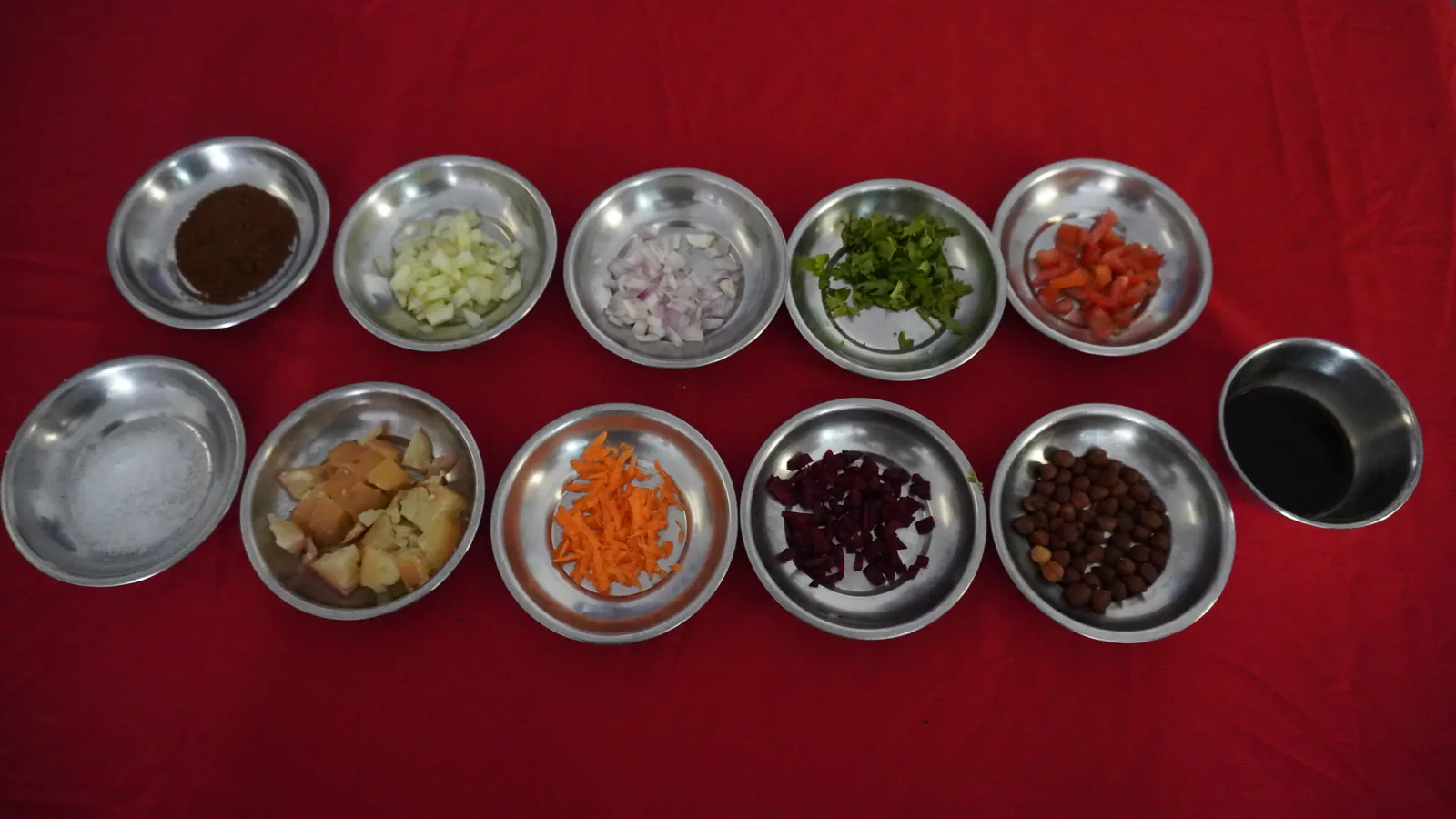
Each recipe is low in cost, high in calories and protein, and made with ingredients found in the colony. Recipes have included vegetable corn biryani, spinach rice, beetroot pulao and bhelpuri chaat; millet dishes from ragi laddoo to barnyard millet kheer; cucumber cups, a jaggery pancake and black chana chaat. After each class the Health Promoters teach the recipe in their zones.
Sponsorship and reports
A sponsor pays for the meals of one person, by the month or by the year: an Alambana child, a red-zone child, or a pregnant or breastfeeding woman in need. Sponsoring an Alambana child is this same NIPP sponsorship. The sponsor box on this page gives the amounts. Sponsorship covers daily feeding at the DIR office, consultations with the family and weekly recipes rich in calories, protein and micronutrients. Each month the sponsor receives a report on health status and the growth chart. A photograph of a child is shared only with the written consent of a parent.
What it has achieved
NIPP’s measure is attendance, counted each month. Attendance follows the seasons: it falls sharply in June, when families are in their villages, and recovers when they return. The effect shows in each child’s weight chart, and parents see the change themselves. The price of a sponsorship has risen once in recent years. Monthly attendance and the price over the years follow below.
In numbers
August 2026
- 28people at NIPP meals
For the year 2026–27
- ₹1,250a month pays for the NIPP meals of one person: an Alambana child, an underweight child, or a pregnant woman or new mother
- ₹15,000a year pays for the NIPP meals of one person
2018–19
- ₹2cost limit per serving of a demonstration recipe
| Month | People at the meals |
|---|---|
| May 2026 | 24 |
| June 2026 | 0 (families in their villages) |
| July 2026 | 24 |
| August 2026 | 28 |
| Year | Per month | Per year |
|---|---|---|
| 2019–20 to 2022–23 | ₹1,000 | ₹12,000 |
| 2023–24 | ₹1,250 | ₹15,000 |
| 2024–25 | ₹1,250 | ₹15,000 |
| 2025–26 | ₹1,250 | ₹15,000 |
Attendance counts everyone at the meals in the month: children of the colonies, Alambana children and women. It is not the number enrolled, which is not published, and there is no comparable count before May 2026. Red zone: more than 3 kg below normal weight on the growth chart.
What is hard
The menu depends on what donors give, so the dietitians adjust it month by month. Seasonal illness, such as cough, cold, fever and diarrhoea, stops weight gain even when a child eats every day. In summer many families travel to their villages: in June, attendance can stop altogether and the recipe class may pause. Children who are away also miss the monthly weighing, so the team cannot see their progress until they return.
Links to government services
NIPP is DIR’s own meal programme, paid for by donations; it does not run under a government scheme. The Dhanas pilot has no space for supervised meals, so nutrition care there is planned to run through public services. The pilot would link families with Anganwadi supplementary nutrition and take-home rations, iron and folic acid under Anemia Mukt Bharat, and nutrition rehabilitation centres for children with severe acute malnutrition.
Watch
DIR made the film below about NIPP. It shows a lunch at the DIR office and the weekly menu the nutritionist planned at the time; today the programme also serves breakfast. The children and mothers in it are families of the colony, filmed at a meal.
-
The video loads from youtube-nocookie.com only after you press play.
NIPP: lunch for underweight children and mothers
The Nutrition Improvement Priority Program (NIPP) gives a cooked lunch to children who are severely underweight and to underweight pregnant women. The meals are low-cost and high in protein and calories, and are served at the DIR office. A nutritionist plans the weekly menu: flavoured milk, boiled eggs, soya nuggets, bananas, rice and pulses.
Watch on YouTube: NIPP: lunch for underweight children and mothers
How you can help
The most direct help is a NIPP sponsorship. It pays for the meals of an Alambana child, a red-zone child or a pregnant or breastfeeding woman, and you receive a monthly update on growth. The sponsor box below gives the amounts. You can also give groceries or food in kind, because the menu adapts to donations.
Volunteers can help in SWAD School and alongside the Health Promoters. Companies can support the programme through CSR.
Programme updates
Children at lunch
Notes at the nutrition class
A trainer at the nutrition class
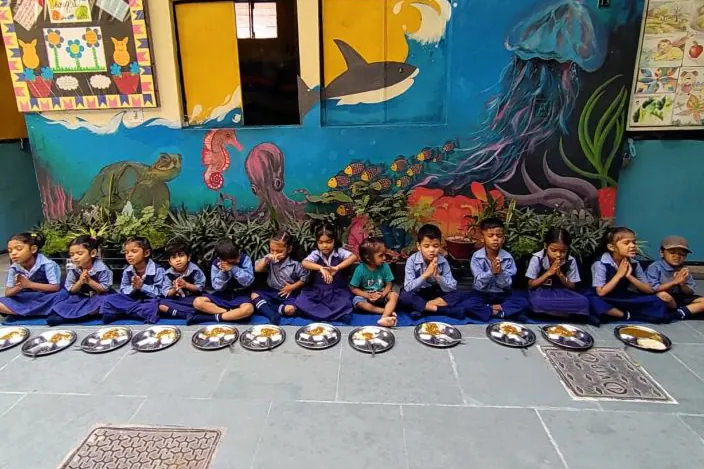
Alambana children before a meal
Sponsor NIPP meals
₹1,250 a month (₹15,000 a year) pays for the weekday NIPP meals of one Alambana child or underweight child, or of a pregnant woman or new mother.
- Weekday meal at our office
- Monthly weight check and report
- Diet advice for the family
After you give, tell us with the contact form. We send a receipt and a report.
Donate
UPI or bank transfer, for donors in India.
DonateVolunteer
Students and professionals join our team.
Join the teamContact
Visit us in Nayagaon, Monday to Friday.
Get in touch