
Education
SWAD, our School With A Difference, prepares colony children for school.
How it works
SWAD is a pre-school for children aged three to six from the colony. SWAD prepares them to start primary school with confidence. Teachers cover letters, numbers and good habits, and meet the parents after each term. Older children come for tuition every afternoon.
- Pre-school for children aged three to six
- Letters, numbers and good habits
- Parent meetings after each term
- Tuition every afternoon after school
“SWAD prepares them to start primary school with confidence.”
What the programme is
SWAD, short for School With A Difference, is DIR’s pre-school at its centre in Nayagaon. It teaches young children of the colony, aged three to six. Children move through Pre-Nursery, Nursery, LKG and UKG, and Project Alambana has a class of its own. After UKG the children seek admission to the first grade of government or private schools.
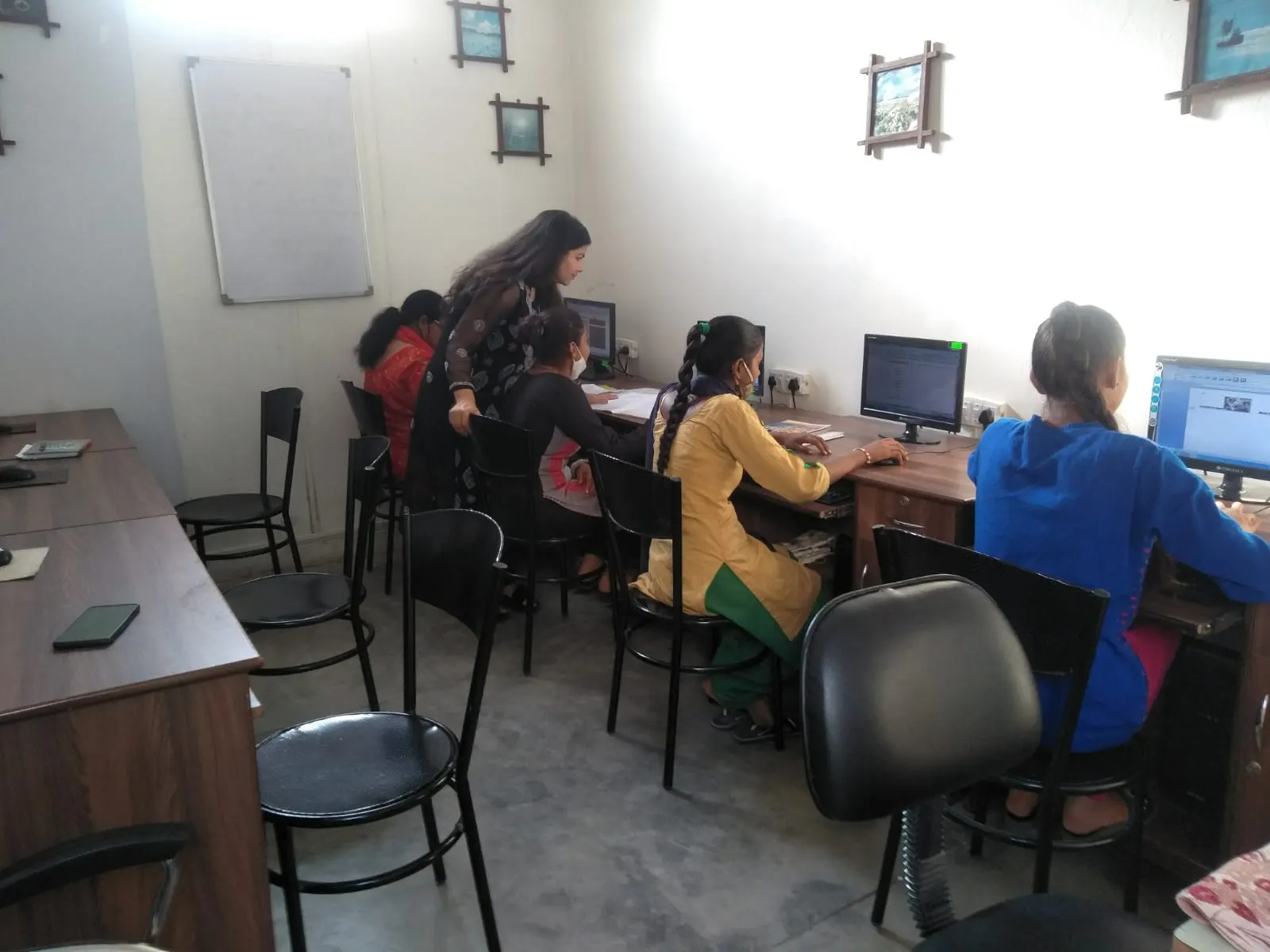
Older learners have their own classes. Tuition runs every afternoon after school for children of the colony who study in public schools in Chandigarh, with individual attention and regular tests. Computer classes, basic and advanced, serve teenagers and women who want to return to work, for a small fee.
Why it matters
A good start decides much of what follows. SWAD builds a foundation for further education in public schools, and the oldest children learn to read and write so that they can apply to English-medium schools in Chandigarh. Teachers have seen children from the colony become excited to learn, and their parents come to value education. Visitors often remark on the children’s confidence.
“A good start decides much of what follows.”
School does not end at the gate. Tuition helps children keep pace with the curriculum and cope with higher classes. Computer skills improve the chances of work in the shops and stores around Chandigarh.
Month by month
SWAD follows the school year, with a fixed daily routine inside it. The term exams and the parent meetings that follow them mark the turning points. Tuition and computer classes run alongside.
- Each dayMorning assembly, physical exercise and poems recited on stage. The nutritionist checks every tiffin.
- Each MondayTeachers check nails, shoes, uniforms and personal hygiene.
- Each monthAssessment of punctuality, obedience, dress and school work, with awards for the best-dressed, most punctual and most disciplined child and the best student.
- AprilNew session and admissions.
- JuneSummer break, with holiday homework; computer classes also close.
- SeptemberFirst-term exams, a parent meeting and prizes.
- MarchFinal exams, results and a parent meeting; healthy tiffin prizes and a farewell for the UKG class.
How the work is organised
Teachers and classes
Each class has its own class teacher, and a head teacher leads the school. Teachers cover reading, writing, maths, English, Hindi and general knowledge, with play and creative work such as paper crafts and colouring. Teachers write a progress report for each child every month and counsel parents when attendance slips.
Food and health at school
The nutritionist checks every tiffin each day. Packet food is not allowed, and mothers who pack nutritious home-cooked food receive a prize at the parent-teacher meeting. The nutritionist also checks the teachers’ lesson plans.
Tuition and computer classes
Tuition is for children of the colony who already attend public schools. It runs every afternoon, with individual attention and regular tests, so that a child who struggles at school gets help in time. Computer classes teach basic and advanced skills, with modules such as computer hardware and MS Excel.
Computer classes carry a small monthly fee, and DIR looks for sponsors for girls of the colony who cannot pay. Students who pass the basic computer course receive a certificate, and an Industrial Training Institute (ITI) computer teacher has chosen students from DIR for free IT training.
What it has achieved
SWAD has grown steadily since it opened. Its children hold their own against older pupils: they have won painting competitions and contests against children of primary classes. At the end of each school year the children sit their final exams and move up a class. Enrolment over the years, and recent courses and competitions, follow below.
In numbers
For the year 2025–26
- 3 to 6ages of SWAD children
History
- 2008SWAD School opened
For the year 2024–25
- 3 PM to 5 PMdaily tuition hours
- ₹500a month pays for computer classes for one student
| Year | Children enrolled |
|---|---|
| 2008 (opening) | 27 |
| 2016 | 80 |
| 2019–20 | 94 |
| April 2023 | 90 |
| What | When | Number |
|---|---|---|
| Students who passed the first 6-month basic computer course | December 2024 | 4 |
| SWAD children in a painting competition | December 2024 | 16 |
| Painting prizes won by SWAD children (all the prizes) | December 2024 | 3 |
| Students chosen for free IT training by an ITI computer teacher | July 2026 | 5 |
| Prizes won by SWAD children against primary-class children | August 2026 | 5 |
Each enrolment figure is the count for one point in the year. The school closed during the pandemic and the counts of those years differ, so they are left out; no enrolment count is published from 2024–25 onward. In March 2026 every child passed the final exams and moved up a class.
What is hard
Some children arrive from villages without Hindi or English and need extra help before they can follow the class. Attendance can be irregular until teachers counsel the parents. After the summer break the teachers spend time on revision before new work. Girls who want computer skills often cannot pay the fee, which is why DIR looks for sponsors.
Links to government services
SWAD prepares children for the public school system rather than replacing it. After UKG the children seek admission to government or private schools, and SWAD graduates have entered government and English-medium schools under the Right to Education quota. Tuition supports children who already study in public schools in Chandigarh.
How you can help
You can sponsor a girl’s computer classes; the Donate page gives the amount. Volunteers can help in SWAD classes with storytelling, games and creative work, as interns and a kindergarten teacher have done. Local donors give books, stationery, school bags, tiffins and woollens each year.
A general gift by UPI or bank transfer supports the school along with the rest of DIR’s work, from the Alambana meals to the Health Promoters. Companies can talk to us about CSR support for the school.
Programme updates
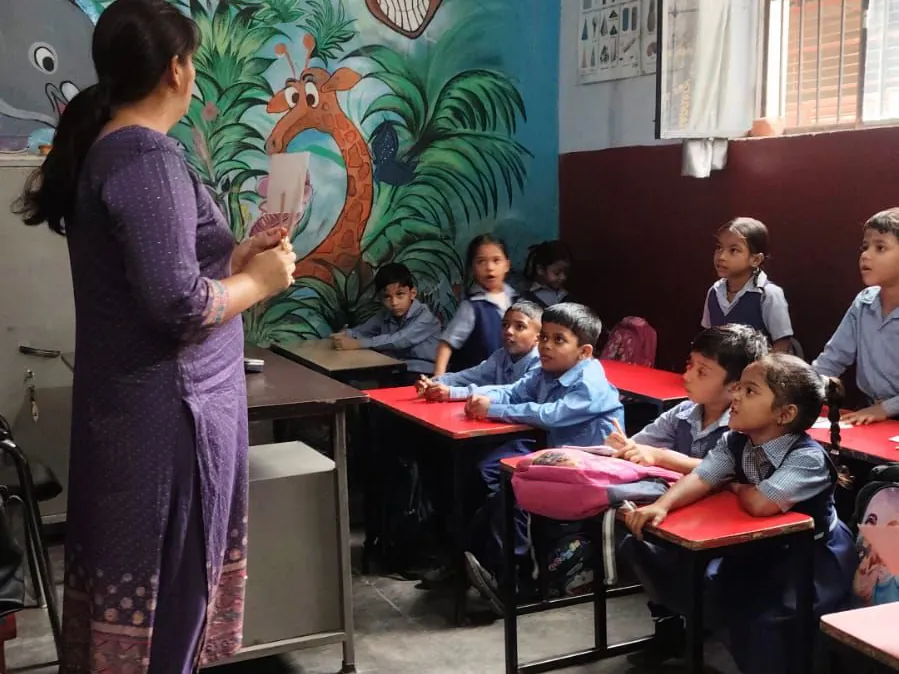
A SWAD teacher with her class
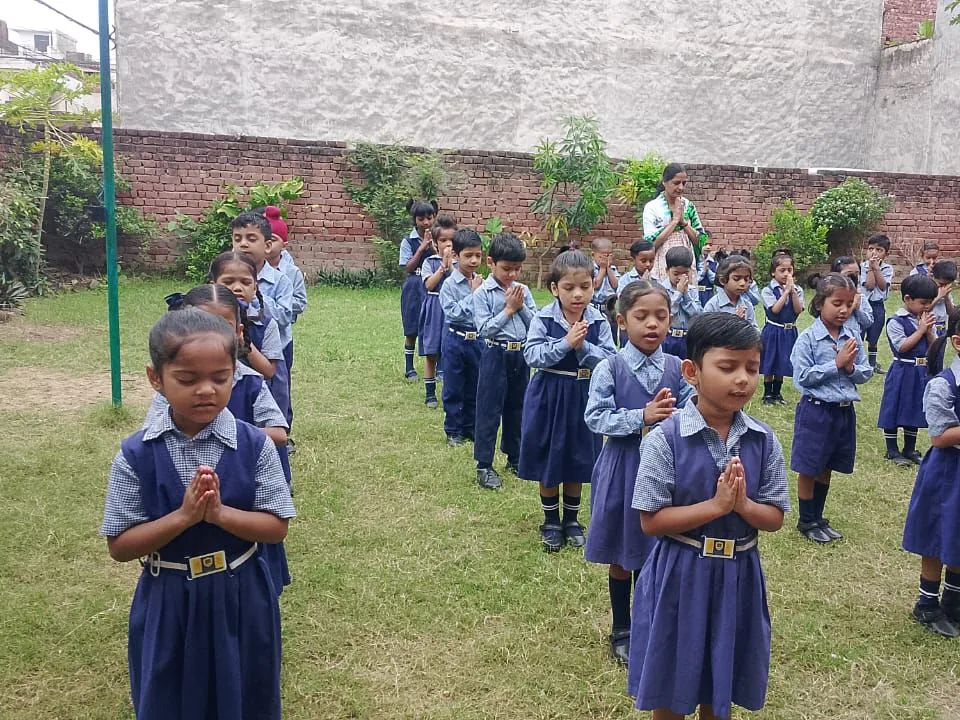
Morning prayer on the lawn
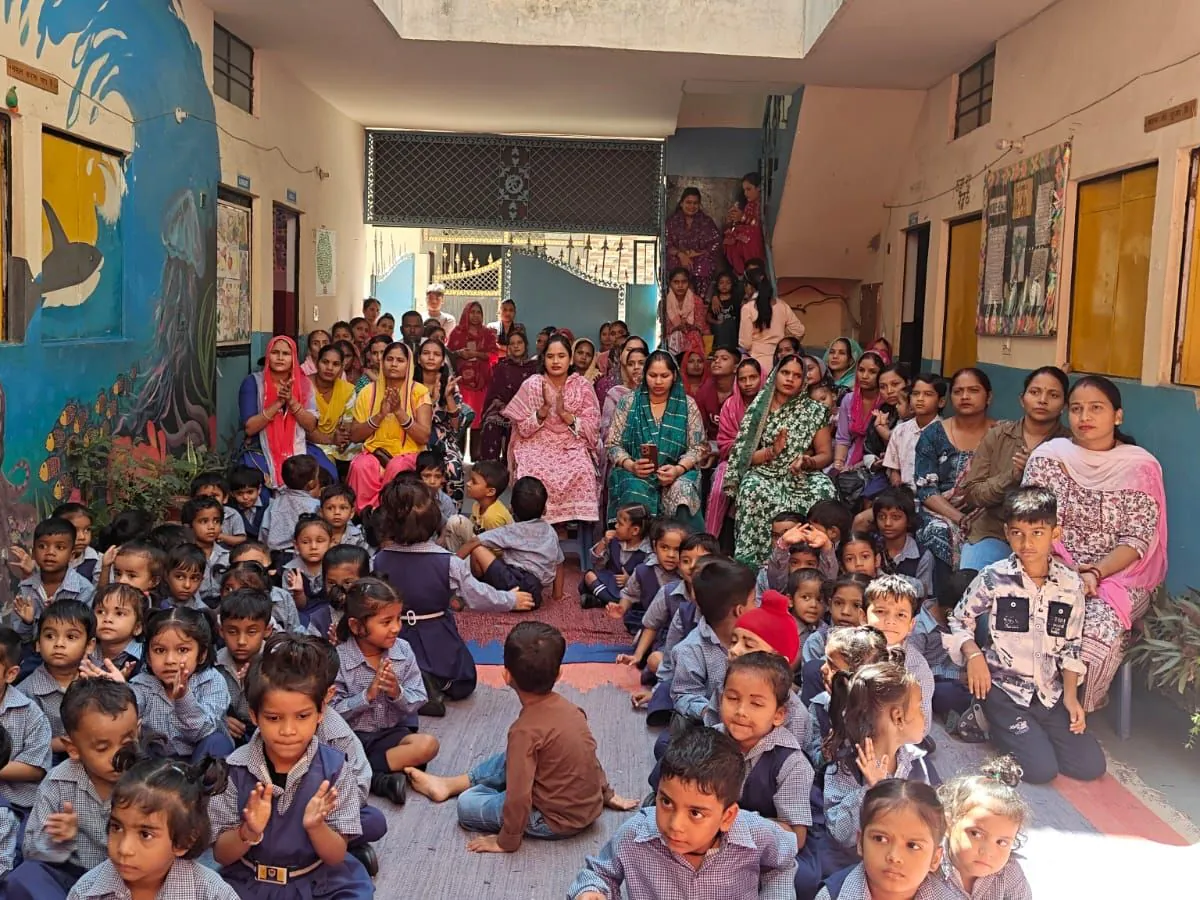
Parents and children at the meeting
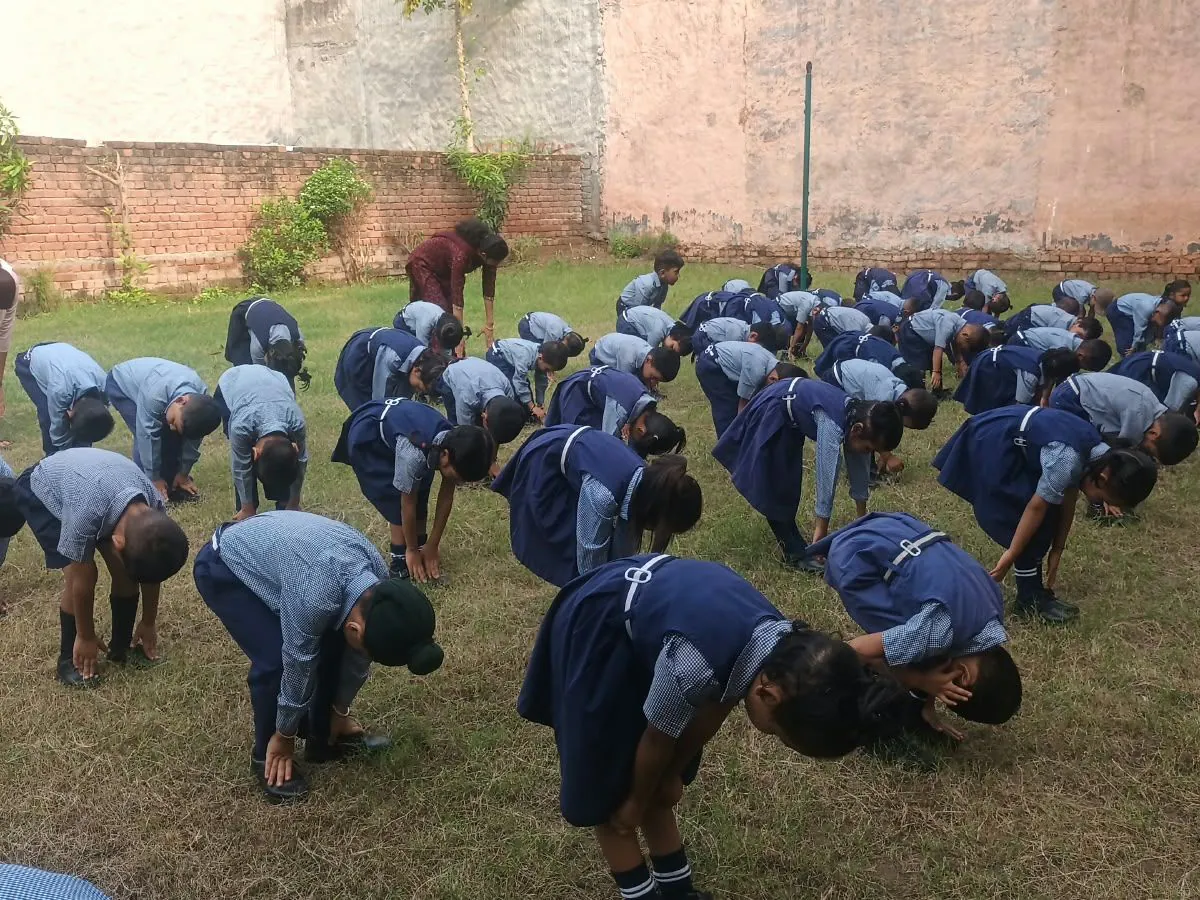
Morning exercises at SWAD School
Donate
UPI or bank transfer, for donors in India.
DonateVolunteer
Students and professionals join our team.
Join the teamContact
Visit us in Nayagaon, Monday to Friday.
Get in touch