
Medical programme
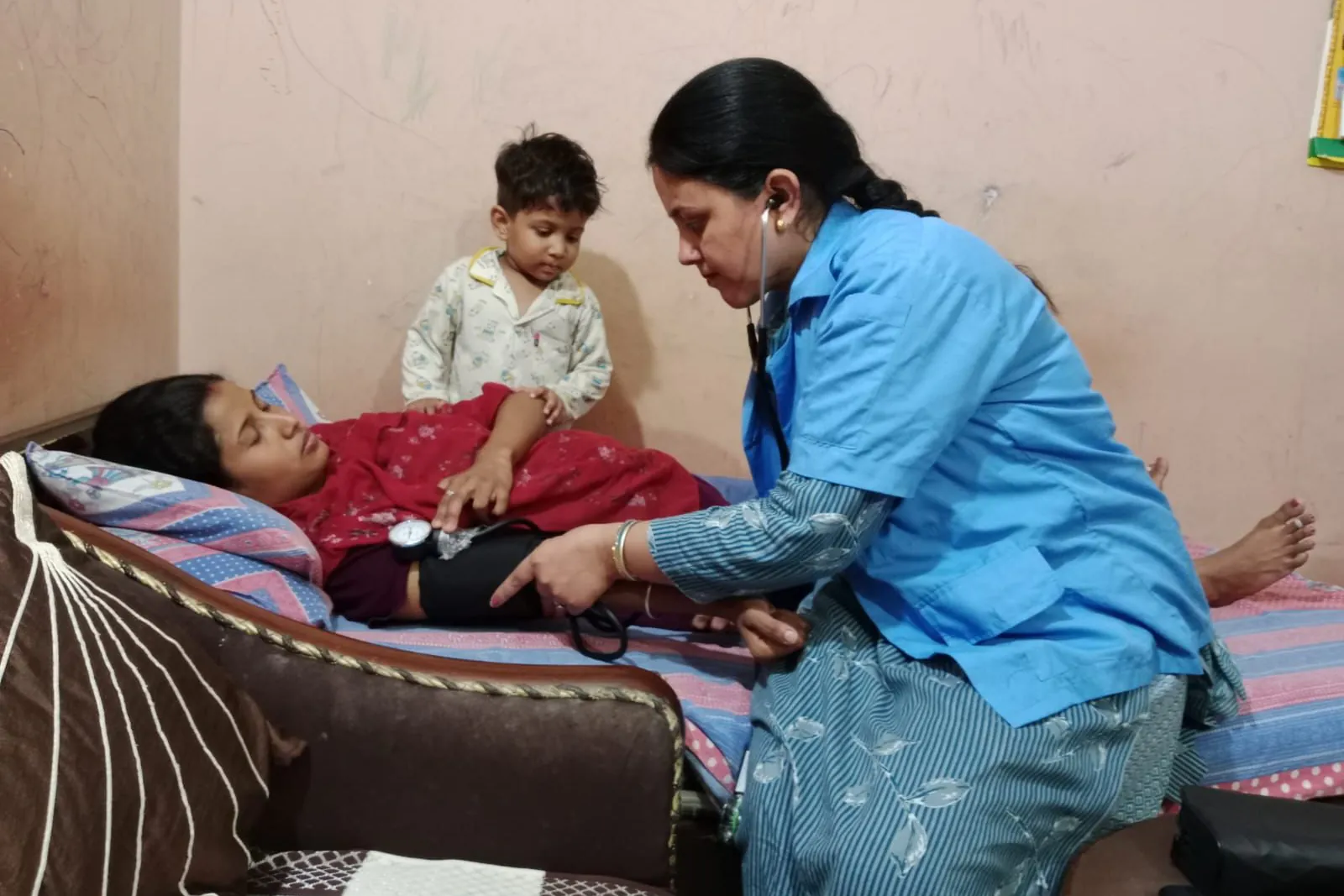
Health Promoters, trained by DIR doctors, visit homes each month.
How it works
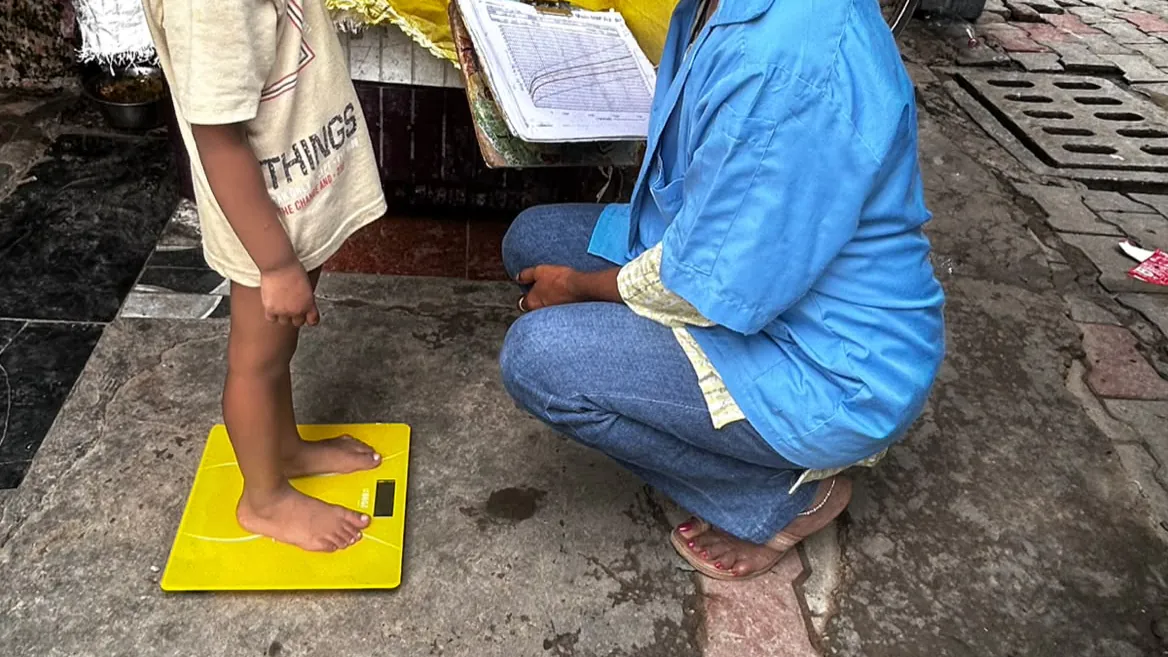
Health Promoters are women from the colony, trained by DIR doctors in weekly classes. Each month they visit the homes of their area, weigh every child under five and mark the zone: green, yellow or red. They follow each pregnant woman and lead a monthly health meeting in their block.
- Monthly weight check and green, yellow and red zone for each child under five
- A list of pregnant women, with checks before and after birth
- Weekly medical classes for Health Promoters with DIR doctors
- Monthly health sessions in each block
- Child Activist Program: health games for school-age children, also in Dhanas
“Health Promoters are women from the colony, trained by DIR doctors in weekly classes.”
What the programme is
The medical programme is the foundation of DIR’s work. DIR employs women from the colonies as Health Promoters. DIR’s doctors and dietitians train them, and each Health Promoter then looks after the households of her own zone. She weighs the children, follows each pregnancy and counsels families at their door.
The work began in Janta Colony with meetings under a tree, and Health Promoters now also work in Dhanas, Chandigarh. Each Health Promoter keeps a register of the households of her zone, with every child under five. The aim is to reduce the deaths of mothers and infants and to bring every child under five to a healthy weight, through prevention rather than treatment.
Why it matters
When the Health Promoters began, most families did not know why immunisation mattered, how to prevent common illness or how to treat diarrhoea at home. Many lived in mud houses, and preventable disease linked to poor hygiene was common. Knowledge, not only medicine, was missing. Families in Dhanas faced the same gap: little awareness of how to prevent disease.
Public services exist, but families under-use them because of low awareness, mistrust and access barriers. A hospital or a vaccine schedule helps only when a family knows about it, trusts it and can reach it. A neighbour who is trained, paid and present every month closes that gap. DIR’s model links families to government services rather than replacing them.
“A neighbour who is trained, paid and present every month closes that gap.”
Month by month
The programme runs on a fixed monthly cycle. Classes for the Health Promoters come first, field work follows, and the month’s numbers decide what the next meetings discuss. The same cycle runs in Janta Colony and in Dhanas.
- Each weekMedical classes by DIR public health doctors and nutrition classes by the dietitians. Field coordinators give a slide presentation; the Health Promoters then present the same topic.
- Each monthA new medical topic and a new nutrition topic, with a class test after some sessions.
- Each monthEvery child under five is weighed and placed in the green, yellow or red zone. Every pregnant woman gets a home visit: weight, blood pressure and the baby’s heartbeat.
- Each monthA committee meeting in each Health Promoter’s block, and an update of the household register: births, deaths, arrivals and departures.
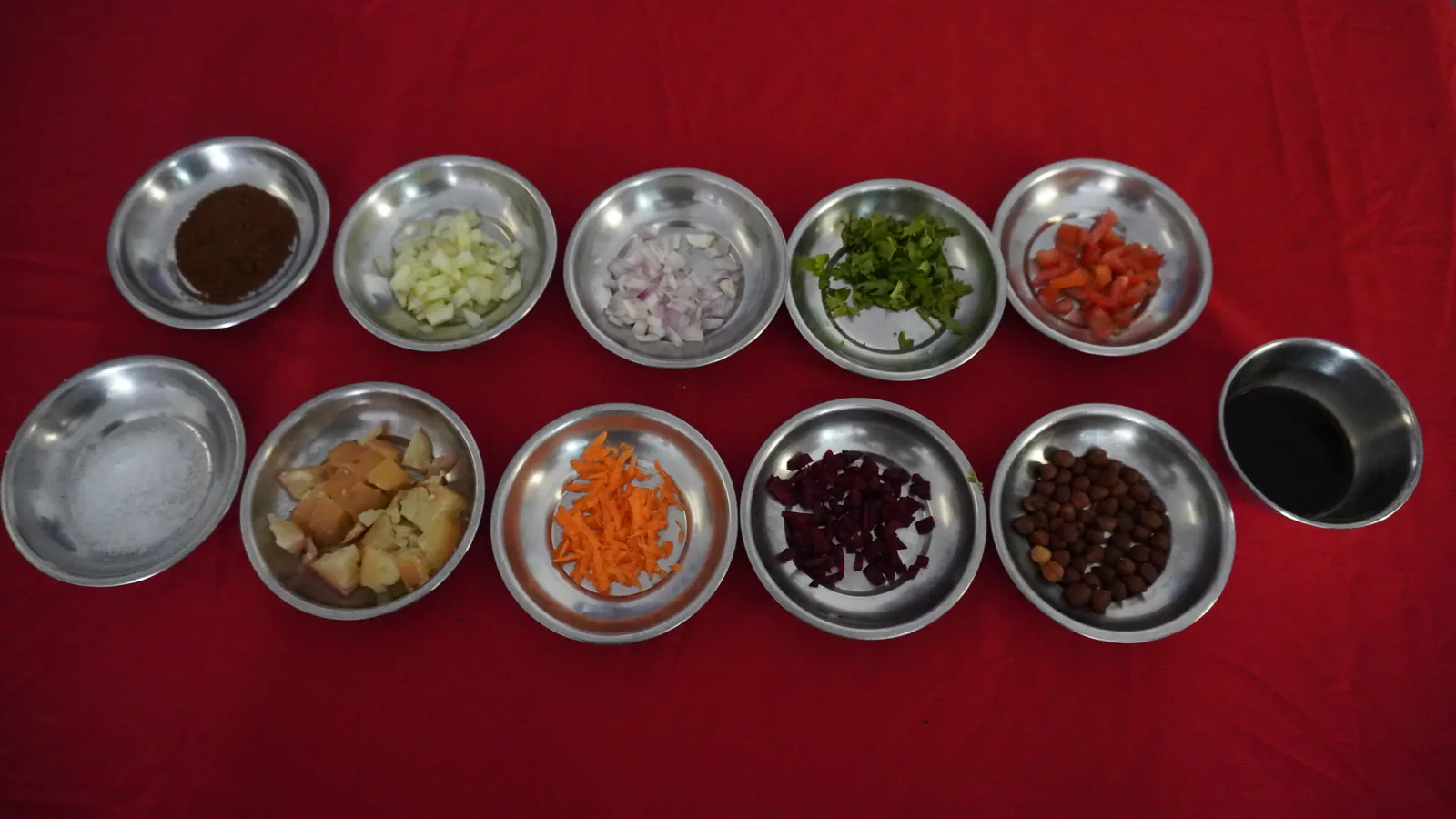
- Third Tuesday of the monthThe dietitians show Health Promoters and mothers a low-cost recipe (see the Nutrition page).
- JuneMany families go to their villages. Fewer children are weighed, and more are in the red or yellow zone.
How the work is organised
Health Promoters and their training
Health Promoters are local women from the colonies they serve. Many joined with no health knowledge and learned in classes with DIR’s doctors and dietitians. Weekly classes cover illness, prevention and the value of seeking professional care in time. The medical classes follow a plan through the year, for example pregnancy trimester by trimester.
The work is a career, not a single course. Several of today’s field coordinators were among the first Health Promoters. Some Health Promoters have also taken a medical attendant course run with a company foundation’s CSR programme.
Growth monitoring and the zones
Health Promoters visit the households of their zone in pairs, supervised by a senior staff member. Each month they weigh every child under five and mark the growth chart. Green means the child is growing well; yellow means underweight. A child more than three kilograms below normal weight is in the red zone and is invited to the Nutrition Improvement Priority Program (NIPP). Each Health Promoter tracks her red-zone children month by month, and senior staff upload the records each day.
Care in pregnancy
Each Health Promoter visits every pregnant woman in her zone each month. She checks weight, blood pressure and the baby’s heartbeat, and counsels on food, vitamins, iron and birth in hospital, in simple language that mothers and mothers-in-law understand. Births take place in government hospitals in Chandigarh, among them the Post Graduate Institute of Medical Education and Research (PGI).
Block committees
Each Health Promoter leads a committee of about a dozen women of her block. The committee meets each month on the topic the block needs: the illness of the season, or a cause of death in the month’s records. Topics have included diabetes, asthma, anaemia, hypertension, dengue, TB and diet in pregnancy.
Child Activist Program (CAP)
CAP teaches school-age children about health and hygiene through games, from oral rehydration solution to how dengue spreads. Health Promoters lead the sessions, in Janta Colony and now also in Dhanas.
Referral
DIR’s standing rule is guidance and referral to government facilities first, and direct help only in exceptional cases. A Health Promoter who sees danger signs gives first help within her training, such as oral rehydration solution, and calls her supervisor and a doctor. The family is then referred to a hospital or health centre, with the Health Promoter going along where needed. The Health Promoter keeps following the child or the mother after the referral, month by month.
What it has achieved
The clearest long-term result is in births. Women of our areas who give birth in Chandigarh now give birth in hospital; a small share of women go back to their home villages for the birth. The Health Promoters follow every birth in their zones, and no maternal deaths have been recorded in recent years.
Weight tells the second part of the story. Over a year of steady monthly weighing, the number of red-zone children falls and the number of children growing well in the green zone rises, in Janta Colony and in Dhanas. In summer, when many families travel to their villages, the red-zone count rises again. The figures below show these counts month by month.
In numbers
For the year 2025–26
- 77births followed by Health Promoters
- 0maternal deaths recorded
- 100%births in hospital, among women of our areas who give birth in Chandigarh
August 2026
- 19,295people on our registers
- 1,044children under 5 on our registers
- 946children under 5 weighed
| Measure | Janta Colony | Dhanas |
|---|---|---|
| People on our registers, August 2026 | 9,553 | 9,742 |
| Births followed, 2025–26 | 45 | 32 |
| Children under 5 in the red zone, August 2026 | 10.8% | 7.8% |
| Month | Janta Colony | Dhanas |
|---|---|---|
| April 2025 | 42 | 33 |
| March 2026 | 25 | 27 |
| May 2026 | 45 | 25 |
| August 2026 | 50 | 37 |
| Month | Children in the green zone |
|---|---|
| April 2025 | 246 |
| March 2026 | 269 |
Red zone: more than 3 kg below normal weight. The red-zone table counts children weighed in the month; the August 2026 shares also include children away in their village. For Dhanas in August 2026 the table uses the summary count. Maternal deaths were also 0 in the two years before 2025–26.
What is hard
The population moves. Families come and go between the city and their villages, and in June many leave at once, so fewer children are weighed and red and yellow cases rise. Some women give birth in their village, outside the Health Promoter’s follow-up. Seasonal illness, from summer diarrhoea to winter pneumonia, can undo a month of weight gain.
Some causes run deeper than one programme. Alcoholism often appears among the causes of death in the Health Promoters’ areas, next to heart disease, lung disease, TB and cancer. Large families are common, linked to son preference, unplanned pregnancy and lack of awareness. Committee meetings take up these topics, but habits change slowly.
The model also depends on the Health Promoters themselves. Losing trained women is one of the risks the Dhanas pilot plans for. Paper registers make the numbers slow to check, and the pilot plans a digital system for that reason.
Links to government services
Health Promoters do not run a parallel health service. Their duties have always included immunisation through local government services, and births go to government hospitals in Chandigarh, among them PGI. A government homeopathic college has held regular camps in the colony. DIR ran the monitoring of TB treatment for years before handing it over to the Punjab Government’s ASHA workers.
The Dhanas pilot plans closer links: Anganwadi centres, the National Health Mission, the Universal Immunization Programme, Anemia Mukt Bharat, JSY and JSSK for mothers, nutrition rehabilitation centres, urban primary health centres and ASHA workers. Government officers can read the plan on the Dhanas pilot page and contact us to discuss it.
How you can help
Gifts by UPI or bank transfer go to the general fund that pays for the Health Promoters’ work. A NIPP sponsorship pays for the meals of an Alambana child, a red-zone child or a pregnant or breastfeeding woman; the Donate page gives the amounts. Companies can partner through CSR, as a company foundation did for the medical attendant course, and doctors can offer health sessions or equipment.
Volunteers and interns can join Health Promoters on home visits with a senior staff member, as social work students from a Chandigarh university have done. Write to us with your skills and the time you can give.
Programme updates
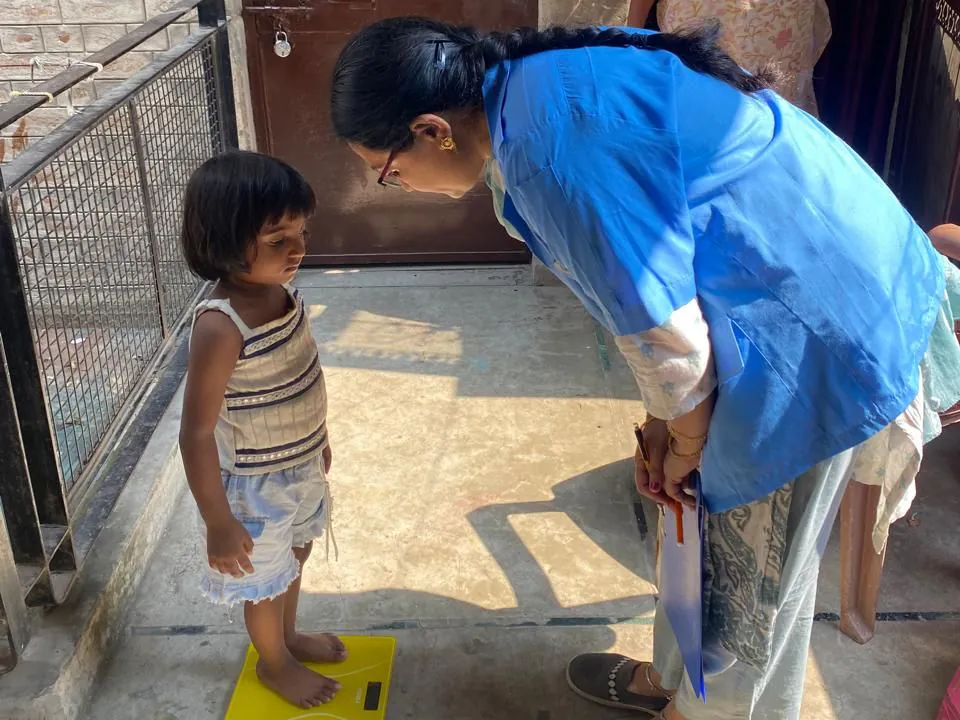
A weight check at the door of a home
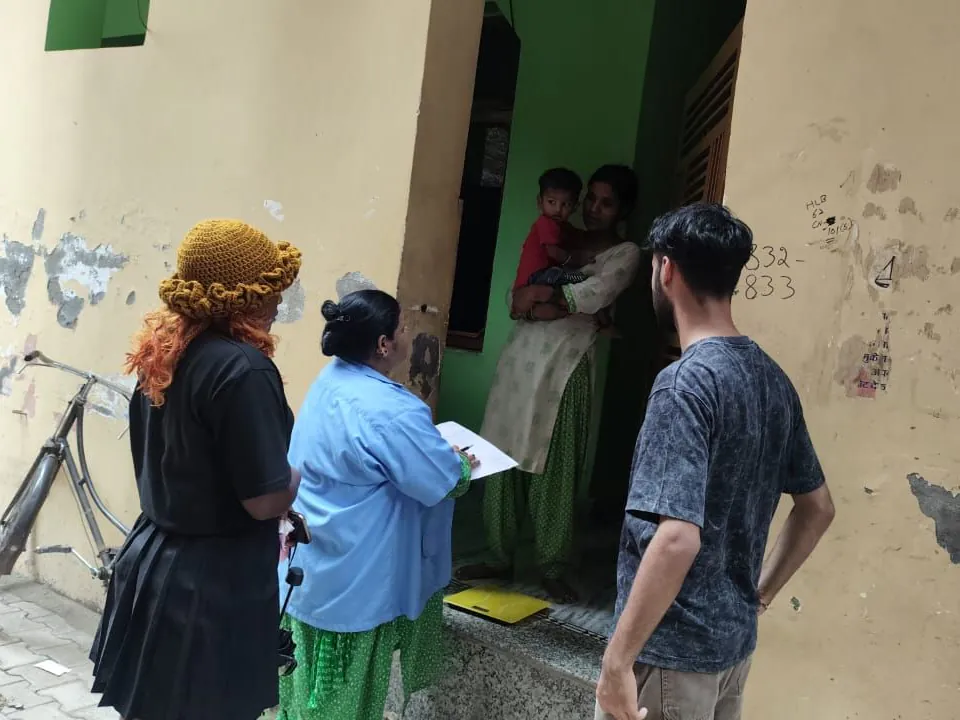
A home visit with the register
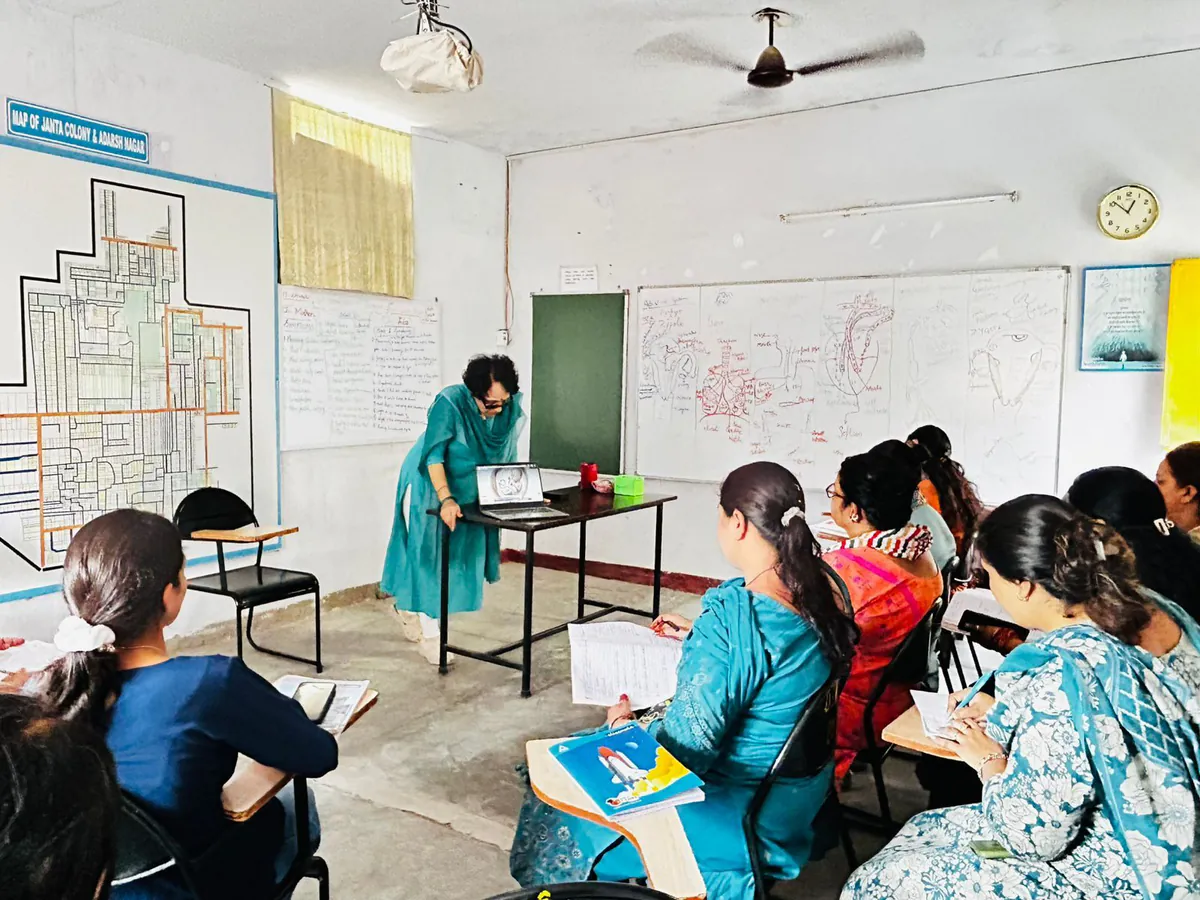
A doctor leads a class for Health…
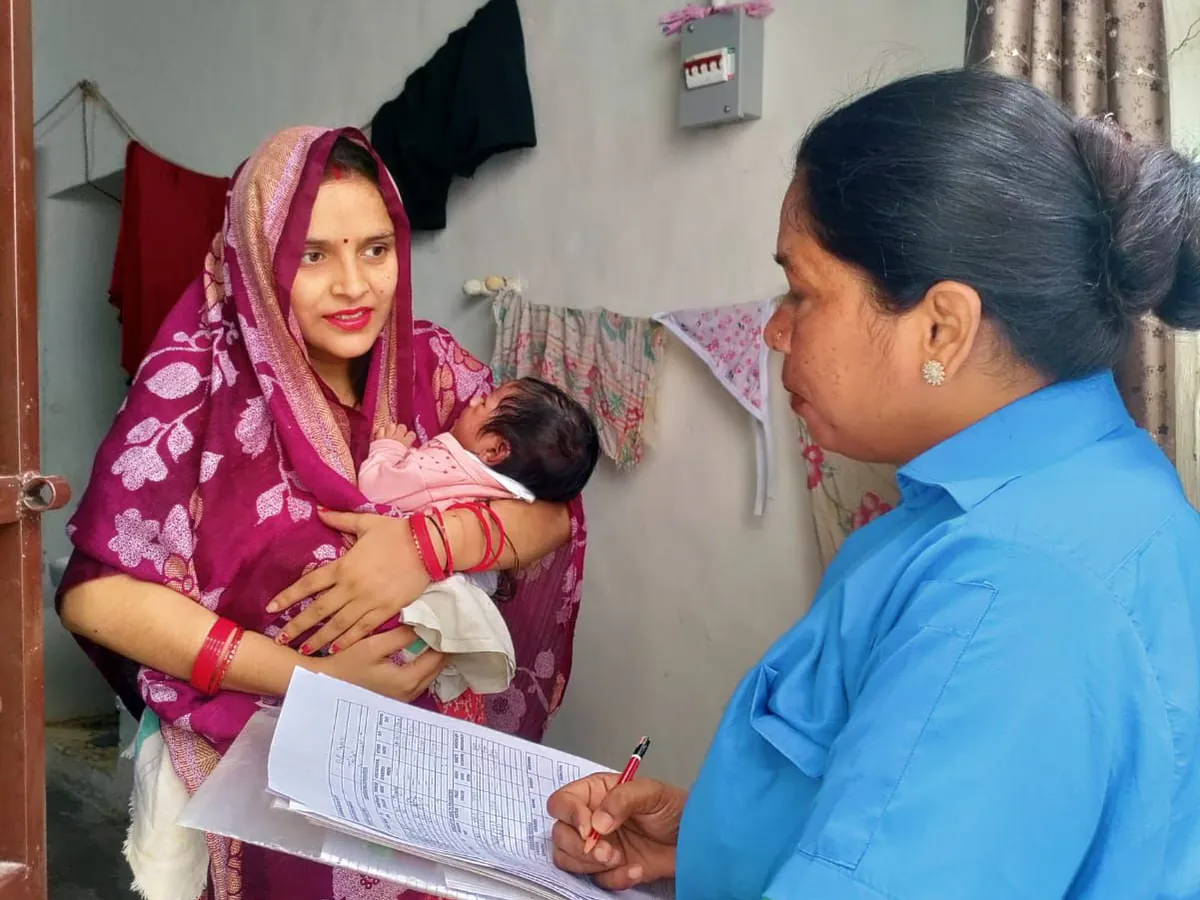
A visit to a new mother
Donate
UPI or bank transfer, for donors in India.
DonateVolunteer
Students and professionals join our team.
Join the teamContact
Visit us in Nayagaon, Monday to Friday.
Get in touch