
COVID-19 response
2020–21 (archive). Food packs for families in the lockdown.
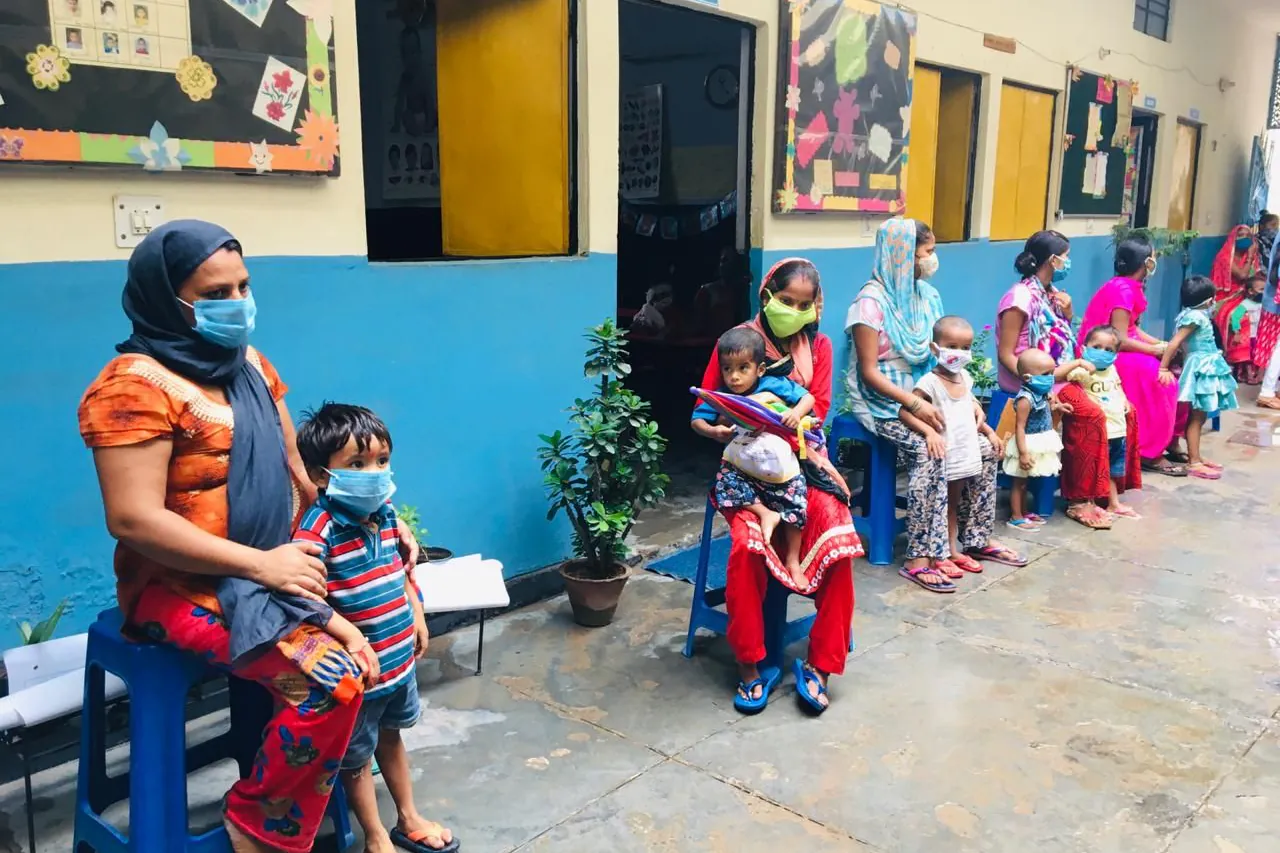
How it works
In the 2020 lockdown, many families lost their daily income. Health Promoters knew which homes needed food.
- Food packs for families who lost their daily income in the 2020 lockdown
“Health Promoters knew which homes needed food.”
What happened, 2020–21
In January 2020, before the first lockdown, the Health Promoters began learning about the new coronavirus. They taught families in Janta Colony and Dhanas through committee meetings, CAP sessions, posters and handwashing demonstrations. In March 2020 they surveyed residents at high risk, such as hospital and hotel workers and drivers. The same month the work in Dhanas stopped.
The lockdown hit families who lived on daily wages hardest: many could no longer feed themselves. SWAD School closed in March 2020 and reopened in February 2021. The programmes closed again in the 2021 wave.
What DIR did
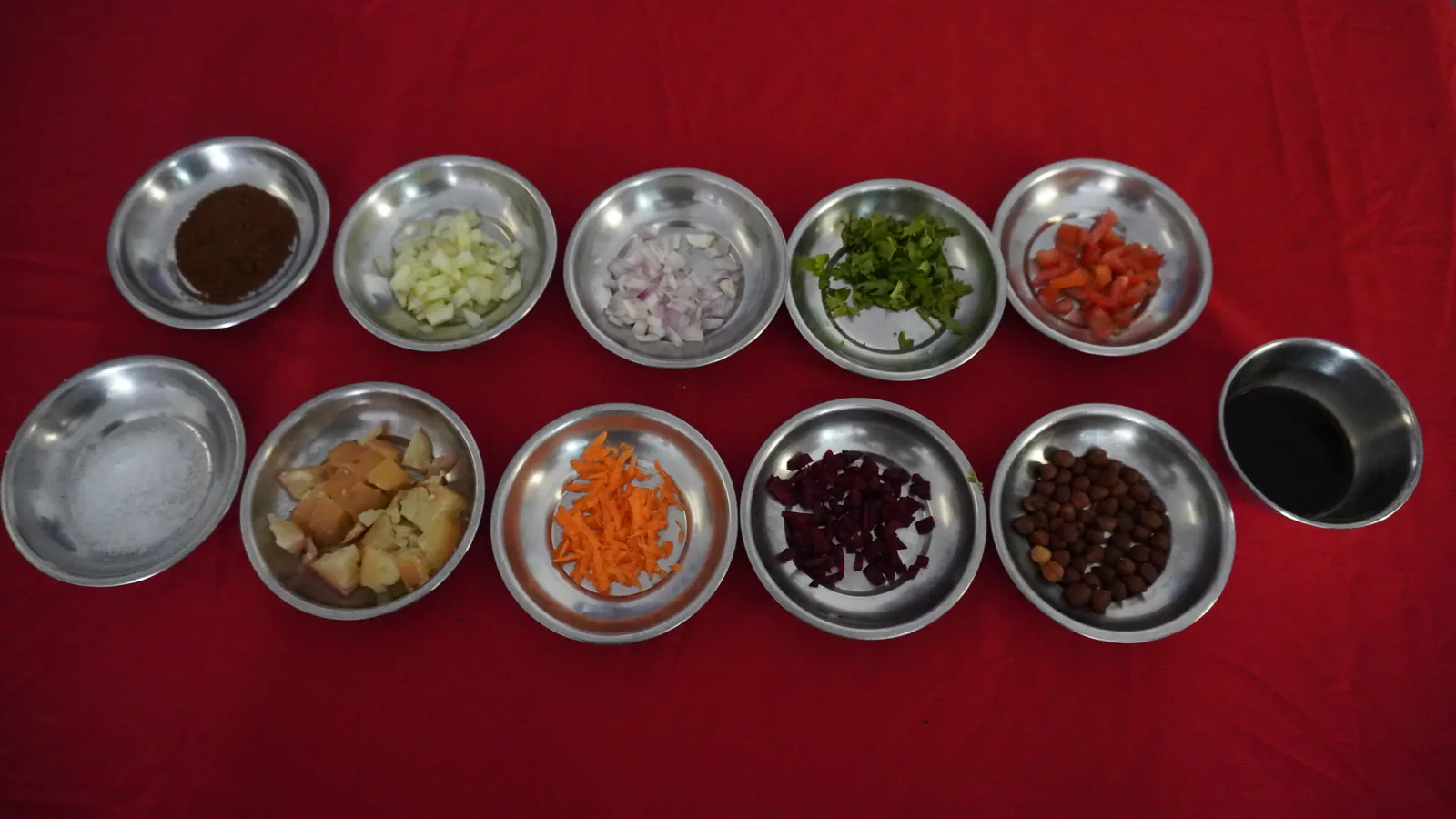
DIR kept its office open. From the end of March 2020 to the end of March 2021, the Health Promoters, led by the CEO and senior staff, handed out grocery kits again and again. A kit held rice, atta, dal, oil, sugar, salt, spices, tea, soya and soap, and later toothpaste and detergent. In June 2020 DIR worked with the Punjab Government administration to deliver packages to families in need. Over the year DIR also gave out soap, detergent and toothpaste in large quantities.
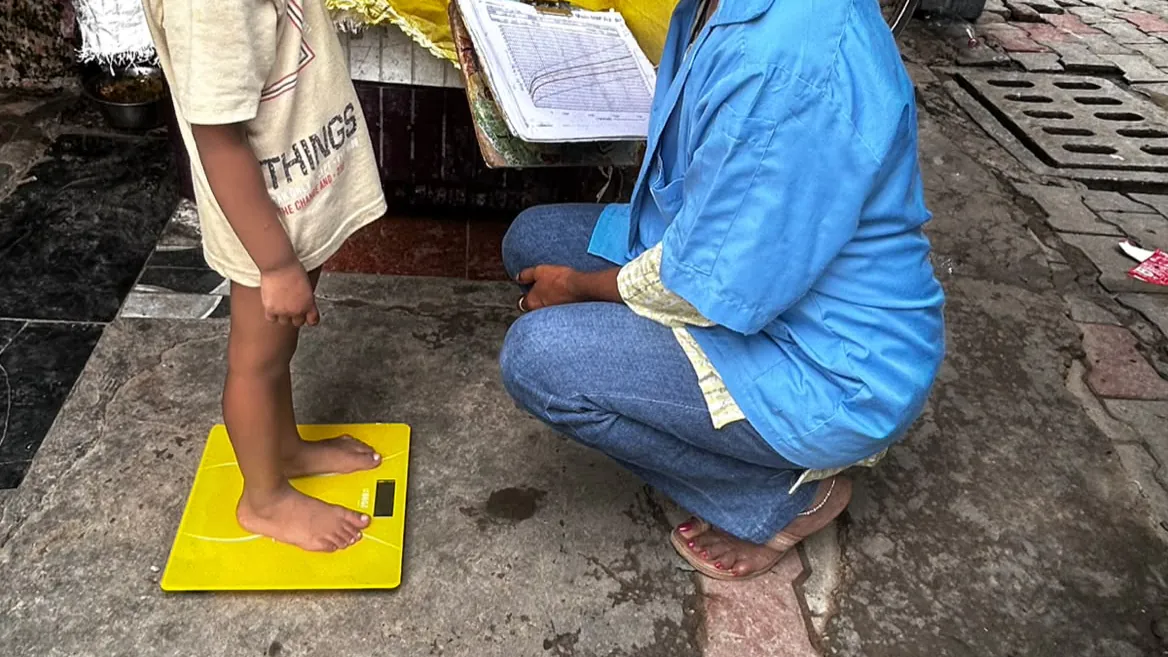
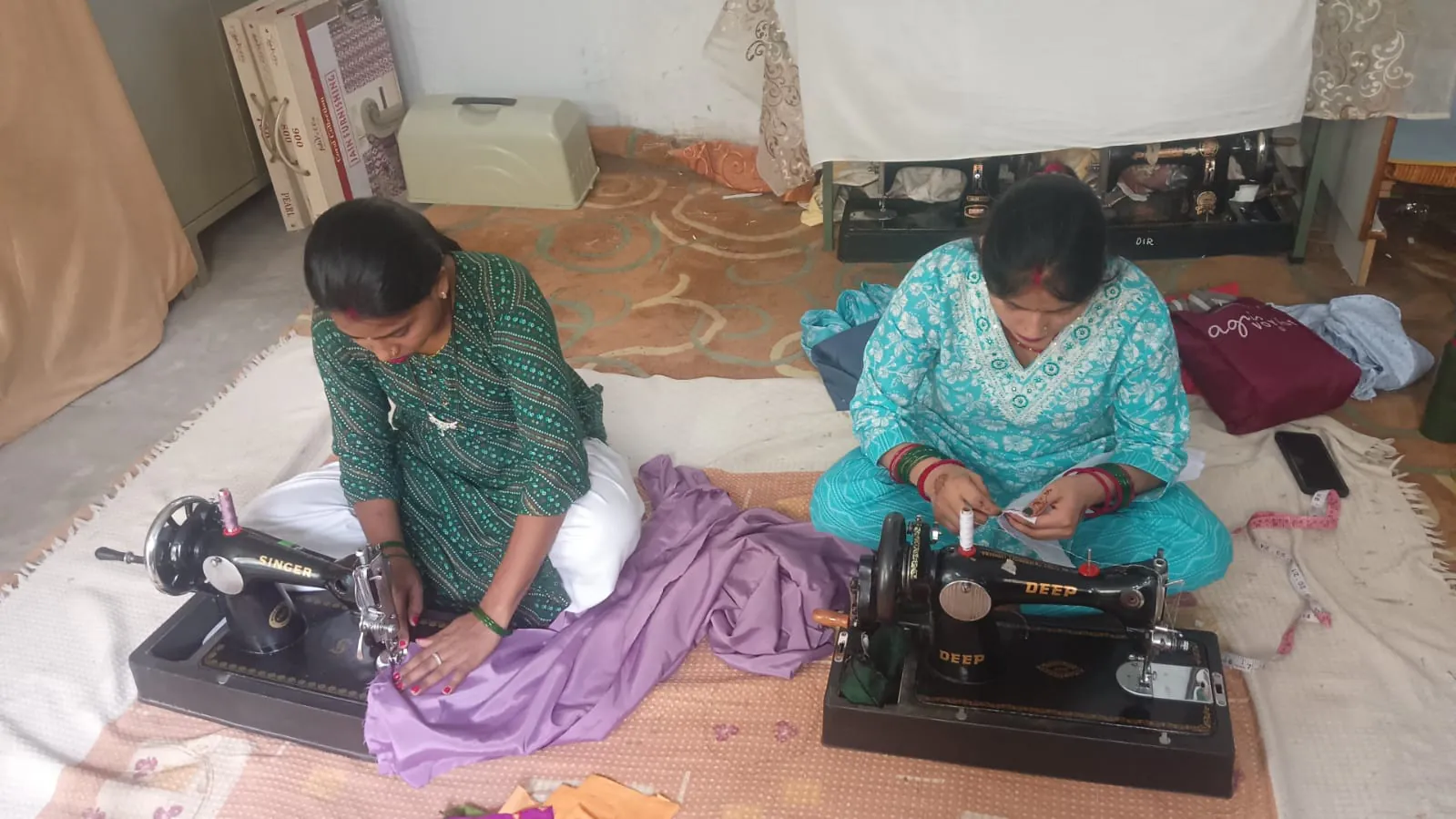
The tailoring unit made cotton masks to the government’s specification and sold them at affordable prices, which gave women of the colony paid work. Weighing restarted in June 2020 with distancing, then stopped again.
When vaccines came, rumours spread. The CEO took the first dose in public, and all staff had a first dose in April 2021; in 2022 the Health Promoters went door to door to encourage boosters. Through 2021–22 DIR still gave groceries to families every month.
In numbers
For the year 2020–21
- 173families living on daily wages who could not feed themselves in the lockdown
- 47grocery distributions, end of March 2020 to end of March 2021
- 254families who received packages with the Punjab Government administration, June 2020
- 144masks made by the tailoring unit in December 2020
- 7,500units of soap given out
- 4,500units of detergent given out
- 3,000units of toothpaste given out
For the year 2021–22
- 44families receiving groceries each month (October 2021, February 2022)
What we learned
The pandemic showed what the model made possible. Because Health Promoters already knew every household, they could explain the virus in January 2020, find residents at high risk in March and take groceries to families who needed them. The committees and CAP groups that usually discuss dengue or diarrhoea carried the message on handwashing, masks and distance. COVID-19 has remained a topic of Health Promoter classes and committee meetings since.
The strain was real. Field staff needed police protection after people from other areas attacked the office for groceries, and the monthly weighing was interrupted. By 2022–23 the work had moved into what DIR called the post-COVID-19 era.
Watch
DIR made films during the pandemic. They follow a migrant worker who lost his income in the 2020 lockdown, an elderly mother left alone in the colony, and the tailoring unit making masks. The films show real hardship, including hunger and loss, and show the people in them as they are.
-
The video loads from youtube-nocookie.com only after you press play.
A Helping Hand: the tailoring programme makes masks
Women in the tailoring programme stitch reusable cloth masks during the COVID-19 pandemic. The masks are sold at an affordable price. The work helps the colony fight the pandemic, earns money for the programme and gives women paid work. Tailoring runs alongside academic and computer classes.
Watch on YouTube: A Helping Hand: the tailoring programme makes masks
-
The video loads from youtube-nocookie.com only after you press play.
Incapacious: an elderly mother alone in the lockdown
Set during the COVID-19 lockdown. An elderly mother lives alone in the colony after her family moved away. The DIR India medical team checks on her from time to time. The team brings freshly cooked food, groceries, fruit and vegetables. She needs clean surroundings as well as medicine.
Shows an elderly woman, ill and living alone, during the COVID-19 lockdown.
Watch on YouTube: Incapacious: an elderly mother alone in the lockdown
-
The video loads from youtube-nocookie.com only after you press play.
Struggle for Existence: a migrant worker in the lockdown
Made during the COVID-19 lockdown of 2020. Factories and workplaces shut, and many migrant workers lost their income, went hungry and set out to walk home. The film follows one migrant worker from Uttar Pradesh living in Chandigarh and his struggle to get by.
Describes job loss, hunger and deaths among migrant workers during the lockdown.
Watch on YouTube: Struggle for Existence: a migrant worker in the lockdown
Programme updates
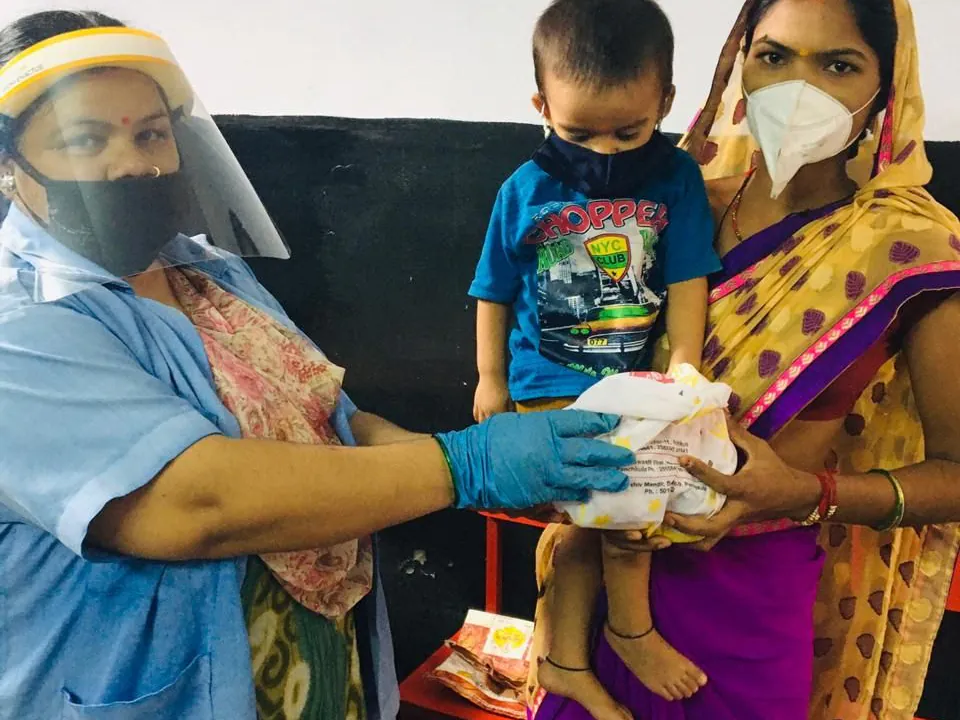
A food pack for a family
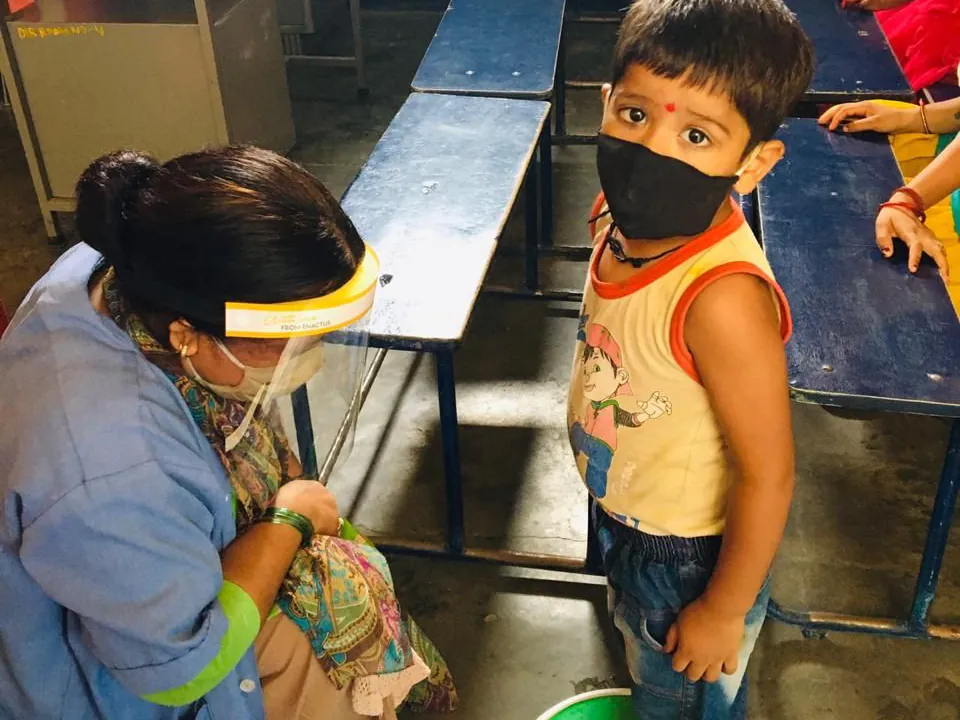
A weight check in masks
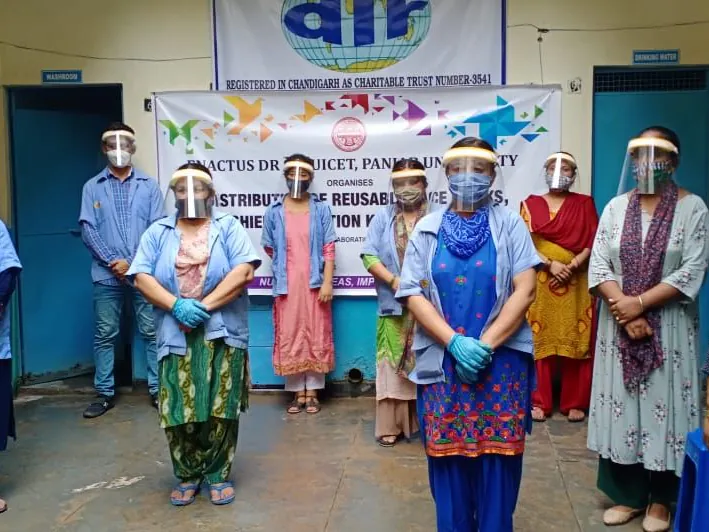
Staff in face shields
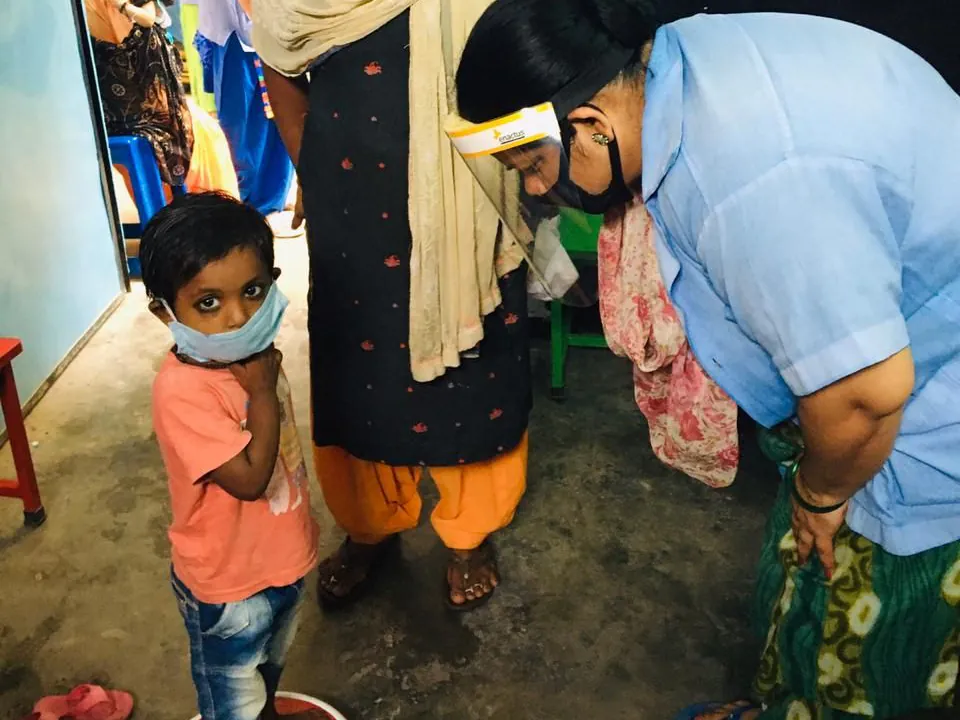
A weight check in the corridor
Donate
UPI or bank transfer, for donors in India.
DonateVolunteer
Students and professionals join our team.
Join the teamContact
Visit us in Nayagaon, Monday to Friday.
Get in touch